Is your dog or cat scratching, sneezing, or licking more than usual as spring arrives in Lakeland? If so, you are not alone. As flowers bloom and pollen fills the air, many pets in our area experience seasonal allergies that can leave them uncomfortable or even miserable. At Pet Care On Highland, located at 222 W Highland Dr, Lakeland, FL 33813, our team of veterinarians understands how distressing it can be to see your furry family member struggling with allergy symptoms. This blog will help you recognize the signs of spring allergies in pets, explain what causes these reactions, outline available treatments, and share practical steps you can take at home to keep your dog or cat feeling their best. We will also discuss when it is time to schedule an appointment with our compassionate veterinary professionals for expert allergy care and relief. Whether you live in Lakeland or nearby neighborhoods, our clinic is here to help your pets enjoy a comfortable, itch-free spring.
Many pet owners in Lakeland notice their pets begin to show new symptoms as spring pollen and warmer weather arrive. Key symptoms of spring allergies in dogs and cats include persistent scratching, licking, or chewing at the paws, belly, or base of the tail. You might also notice red or inflamed skin, increased shedding, or even bald patches where your pet has been excessively grooming. In addition to skin issues, some pets develop watery eyes, sneezing, or a runny nose. Ear infections can flare up during allergy season as well, with signs such as head shaking, ear scratching, or a foul odor. For some pets, digestive upset like vomiting or diarrhea may appear, though this is less common than skin or respiratory symptoms.
It is important to recognize that allergies can look different in each pet. For instance, while one dog may primarily suffer from itchy skin, another may struggle with frequent ear infections. Cats often show subtler signs, such as over-grooming, sneezing, or red, irritated skin on their face or belly. If your pet suddenly starts scratching or licking more than usual or seems otherwise uncomfortable, seasonal allergies may be the culprit.
Springtime in Central Florida brings a burst of pollen from grasses, trees, and weeds, all of which are common triggers for pet allergies. In Lakeland, the warm, humid climate encourages rapid plant growth and high pollen counts, especially from oak trees, grasses, and ragweed. Pets living in this environment are frequently exposed to these airborne allergens, which can be inhaled or settle on their fur and skin.
When a pet with allergies comes into contact with pollen or other environmental triggers, their immune system overreacts, releasing chemicals that cause itching, inflammation, and discomfort. This reaction is called atopic dermatitis. In addition to pollen, pets may be allergic to mold spores, dust mites, or even certain types of grass or outdoor plants.
Genetics also play a role. Some breeds, such as retrievers, terriers, bulldogs, and cats like Siamese or Devon Rex, are more prone to developing allergies. Pets with a history of food sensitivities or other allergic conditions may be at higher risk, as well.
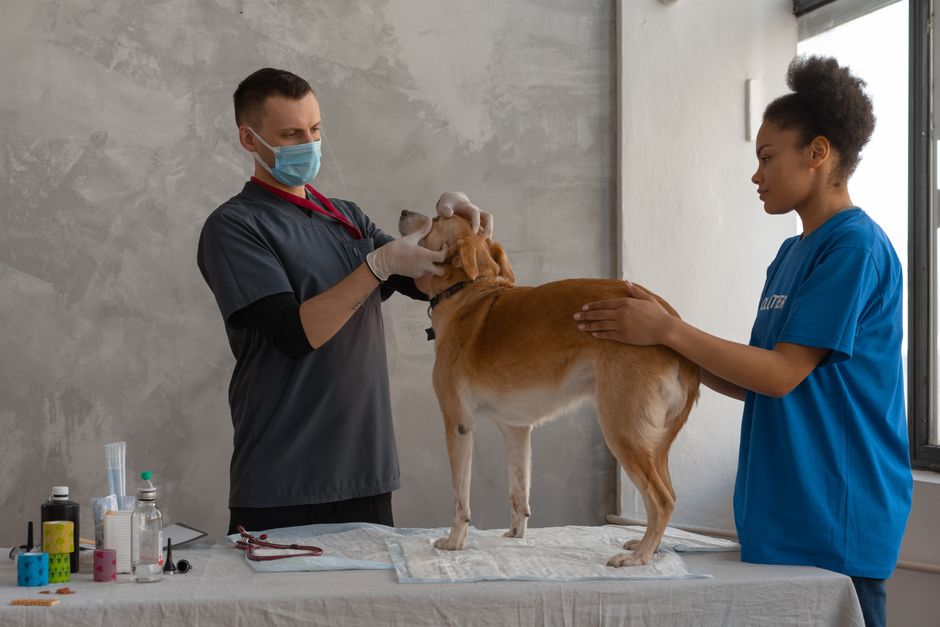
If you suspect your pet is suffering from seasonal allergies, the first step is a thorough examination by our experienced veterinary team. During your visit, we will discuss your pet’s symptoms, lifestyle, and environment. Skin and ear exams, as well as laboratory testing, may be recommended to rule out other conditions like parasites or infections and to confirm an allergy diagnosis.
Treatment for spring allergies in pets involves several approaches. Our veterinarians may prescribe oral antihistamines, medicated shampoos, topical sprays, or prescription-strength anti-itch medications to help relieve your pet’s discomfort. In more severe cases, corticosteroids or immunotherapy (allergy shots) may be considered. For pets with recurring ear infections, medicated ear drops or regular cleaning routines can help prevent flare-ups.
Managing allergies is often a long-term process. Your pet’s treatment plan will be tailored to their specific needs and may include dietary recommendations, home care tips, and regular check-ins to monitor progress. If your pet experiences complications like skin infections from scratching or chewing, antibiotics or antifungal medications may be necessary. Our goal is to address both the immediate symptoms and the underlying allergy triggers, helping your pet enjoy a more comfortable spring season.
If your pet’s allergy symptoms are accompanied by signs of illness, such as lethargy, fever, or sudden changes in behavior, we encourage you to contact our clinic promptly. For urgent situations, our Urgent Care and Sick Visits services are available to help your pet get relief as quickly as possible.
While professional veterinary care is essential for moderate or severe allergies, there are several steps you can take at home to help minimize your pet’s symptoms. Frequent bathing with a gentle, hypoallergenic shampoo can remove pollen and allergens from your pet’s coat and soothe irritated skin. Wiping your pet’s paws, belly, and face with a damp cloth after walks or outdoor play can help reduce allergen exposure. Keeping windows closed on high pollen days and using air purifiers indoors may also make a difference.
Vacuuming regularly, washing pet bedding weekly, and trimming your lawn can reduce pollen accumulation in your home and yard. For pets with known grass or plant allergies, try to limit outdoor play during peak pollen hours, usually early morning and late afternoon. Monitoring your pet’s skin, ears, and general health can help you catch any flare-ups early.
Routine wellness checks are another key part of allergy prevention and management. These visits allow our veterinary professionals to catch early signs of allergies, recommend preventive care, and adjust your pet’s treatment plan as needed. Learn more about how a health and wellness examination can help keep your pet healthy year-round.
Seasonal allergies can make life miserable for pets if left untreated. If your dog or cat is showing new or worsening signs such as excessive scratching, licking, hair loss, red or inflamed skin, frequent ear infections, or respiratory symptoms like sneezing and watery eyes, it is time to consult a veterinarian. Persistent symptoms that do not improve with basic home care, or signs of infection like open sores, discharge, or a bad odor, should be addressed quickly.
Pets with chronic allergies may need ongoing management and periodic medication adjustments to stay comfortable. Sudden changes in behavior, appetite, or energy levels are additional warning signs that warrant prompt veterinary attention. Remember, every pet’s situation is unique, so what works for one animal might not be effective for another.
If you are searching for a veterinarian near me who understands the specific allergy challenges facing pets in Lakeland and surrounding communities, our team at Pet Care On Highland is ready to provide the care and advice you need. Our clinic is centrally located for easy access from Lakeland Highlands, South Lakeland, Central Lakeland, and nearby neighborhoods.
Spring allergies can take a toll on your pet’s comfort, but with the right care and support, you can help them enjoy the season to the fullest. By recognizing the signs of allergies, working closely with your veterinarian, and taking preventive steps at home, you can manage symptoms and keep your dog or cat healthy and happy.
If you have noticed your pet scratching, sneezing, or showing other signs of seasonal allergies, do not wait for symptoms to worsen. Schedule an appointment with our experienced veterinary team at Pet Care On Highland. We are committed to providing compassionate, customized care for every pet and owner in Lakeland and surrounding communities. To book your consultation or speak with our veterinary professionals, call (863) 937-7914 or visit our health and wellness services page for more information.
Every pet deserves a comfortable, joyful spring. Let us help your furry companion feel their best this season and beyond. If you ever have urgent concerns, our Urgent Care and Sick Visits are here to support you and your pet when it matters most.
This blog is intended for educational purposes only and does not replace professional veterinary advice. Always consult your veterinarian for a diagnosis and tailored treatment plan for your pet’s specific needs.