Is your dog or cat scratching more than usual this spring? As April brings warmer weather and blooming flowers to Lakeland, FL, seasonal allergies can make life uncomfortable for many pets across our community. At Pet Care On Highland, we understand how frustrating it can be to watch your pet struggle with itchiness, sneezing, or red, irritated skin. Our modern, full-service veterinary clinic at 222 W Highland Dr, Lakeland, FL 33813 is here to help pet owners recognize the signs of spring allergies, find effective relief, and prevent flare-ups for a happier, healthier season. In this blog, we will cover how to spot allergy symptoms in dogs and cats, explain what causes spring allergies in Lakeland pets, discuss treatment options, and share practical tips for managing and preventing discomfort at home. If your pet seems miserable this spring, you are not alone; our veterinary team is ready to support you every step of the way.
Spring allergies often sneak up on pets, but knowing what to watch for can make a big difference in getting prompt relief. In dogs and cats, the most common signs of seasonal allergies include excessive scratching, licking, or chewing at the paws, belly, or base of the tail. You might notice your pet shaking their head frequently, rubbing their face on the carpet, or developing red, inflamed skin. Other symptoms can involve watery eyes, frequent sneezing, or discharge from the nose. Some pets develop ear infections or hot spots—raw, moist patches of skin that appear suddenly and can quickly become painful. Cats may be more subtle, sometimes over-grooming or losing fur in certain areas. If you see your dog or cat constantly licking or scratching, or if their skin looks irritated despite regular grooming, allergies could be the culprit.
It is important to pay attention to when these symptoms appear. If your pet seems especially uncomfortable during the spring months, or after spending time outdoors, environmental allergens may be responsible. Because allergy symptoms can look similar to other skin or ear issues, a thorough examination by a veterinarian is the best way to determine the underlying cause and rule out other medical problems.
Lakeland’s lush landscapes and warm climate mean that pollen counts can soar in the spring, making this a prime season for allergies in both people and pets. The most common environmental allergens affecting local dogs and cats include tree, grass, and weed pollens, as well as mold spores that thrive in humid conditions. As your pet explores the yard, visits the park, or simply enjoys a sunny nap near an open window, these microscopic allergens can settle on their fur and skin, triggering an immune response.
Unlike people, who often experience respiratory symptoms as their primary complaint, pets tend to develop skin-related issues when exposed to allergens. This happens because the skin acts as both a barrier and a target for allergic inflammation. Pets with a history of allergies or sensitive skin are more likely to develop symptoms, and some breeds—such as terriers, retrievers, and bulldogs—may be especially prone to atopic dermatitis, a type of environmental allergy.
In some cases, spring allergies can overlap with other triggers, such as flea bites or food sensitivities. That is why a thorough evaluation by your veterinary team is so important; identifying all the factors contributing to your pet’s symptoms ensures the most effective treatment plan.
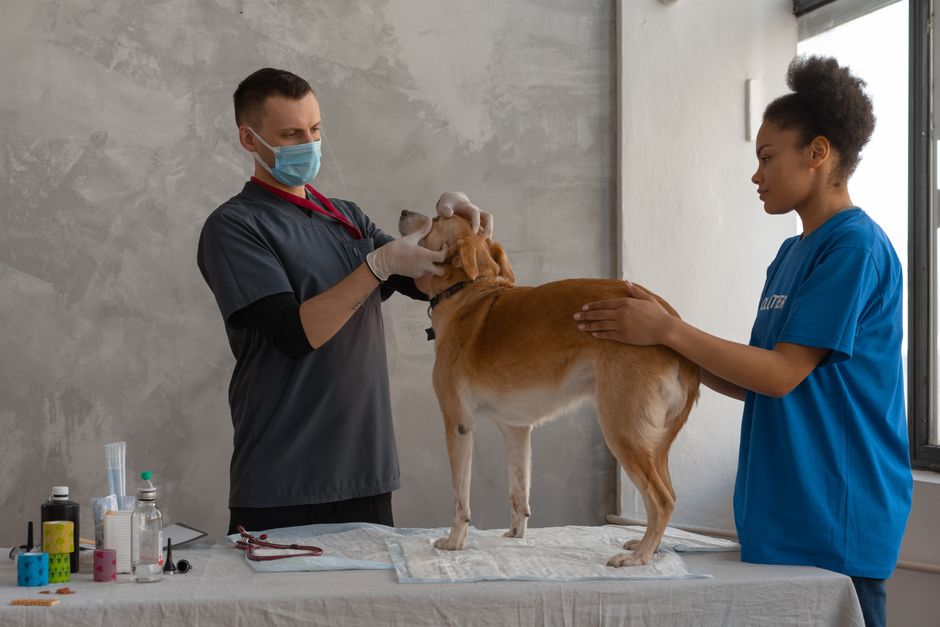
When spring allergies flare up, prompt veterinary care can dramatically improve your pet’s comfort and quality of life. At Pet Care On Highland, our approach to allergy management always begins with a comprehensive examination, allowing our team to look for patterns in your pet’s symptoms, rule out other causes like parasites or infections, and determine the best course of action. Diagnostic tools may include skin scrapings, cytology, or allergy testing, depending on your pet’s needs.
Treatment options for spring allergies involve several strategies. For mild cases, antihistamines or prescription-strength anti-itch medications may provide relief. Medications like Apoquel or Cytopoint are commonly used for dogs, while cats may benefit from different therapies tailored to their unique biology. Topical treatments such as medicated shampoos, sprays, or wipes can help remove allergens from the skin and soothe irritation, making these an important part of many allergy plans.
In more severe or chronic cases, your veterinarian may recommend immunotherapy—customized allergy shots or oral drops designed to help your pet build tolerance to specific triggers. If secondary infections such as bacterial or yeast overgrowth have developed due to scratching or licking, antibiotics or antifungal medications might be necessary to clear up the problem.
If your pet is experiencing sudden or severe discomfort, or if you notice open sores, swelling, or changes in behavior, it is important to schedule an urgent visit. Our team offers urgent care and sick visit services for pets in need of immediate attention, ensuring your companion receives the care they need, when they need it most.
While veterinary treatment is essential for managing active allergy flares, there are many steps you can take at home to reduce your pet’s exposure to allergens and minimize symptoms. Bathing your dog or cat with a gentle, hypoallergenic shampoo can help wash away pollen and prevent it from accumulating on their skin and coat. For dogs, wiping their paws and belly with a damp cloth after outdoor walks can remove irritants before they cause trouble; for cats, regular brushing helps reduce the amount of pollen and dust trapped in their fur.
Keeping your home environment as allergen-free as possible is another key strategy. Using high-efficiency air filters, vacuuming frequently, and washing your pet’s bedding in hot water can make a noticeable difference. During peak pollen days, try to limit your pet’s time outside and keep windows closed. If you have landscaping or gardening projects planned, be mindful of planting low-allergen species and reducing areas of standing water where molds thrive.
Nutrition and overall health also play a role in allergy resilience. Feeding your pet a high-quality, balanced diet supports skin health and immune function, making them less likely to react strongly to environmental triggers. If you have questions about the best diet or supplements for your allergic pet, our team can provide guidance tailored to their unique needs.
For ongoing support with preventive care and early detection of allergy symptoms, consider scheduling a health and wellness visit at Pet Care On Highland. Regular checkups help our veterinarians monitor your pet’s skin, ears, and overall wellbeing, catching problems before they become severe.
Some mild allergy symptoms can be managed at home, but it is essential to recognize when professional care is needed. If your pet’s itching, licking, or scratching is persistent, leads to hair loss, or causes open sores, it is time to schedule an appointment. Other red flags include frequent ear infections, changes in appetite or behavior, or signs of pain such as whimpering, hiding, or decreased activity. Any sudden swelling, difficulty breathing, or severe facial rubbing should be treated as an emergency.
For many pet owners in Lakeland and the surrounding communities, spring allergies recur year after year. If you suspect allergies are affecting your pet’s quality of life, do not wait for symptoms to worsen. Early intervention helps prevent complications and provides your dog or cat with much-needed relief. Our experienced veterinary team is here to offer both routine wellness care and urgent attention for allergy-related concerns.
Springtime in Lakeland is beautiful, but for pets struggling with allergies, it can be a challenging season. By paying close attention to warning signs, understanding what causes allergies, and working with your veterinary professionals, you can help your pet enjoy a more comfortable, itch-free spring. At Pet Care On Highland, we are committed to supporting every pet and owner with personalized care, clear communication, and the latest in veterinary medicine.
If you are searching for a vet near me to help your pet with spring allergy symptoms, our clinic is ready to provide expert guidance and compassionate service. Schedule an appointment with our team of veterinarians at 222 W Highland Dr, Lakeland, FL 33813, or call us at (863) 937-7914 for more information. Whether your pet needs a thorough health and wellness examination or urgent allergy relief, Pet Care On Highland is here to help your furry friend thrive all season long.
This article is for informational purposes only and does not replace professional veterinary care. Always consult your veterinarian for diagnosis and treatment recommendations specific to your pet’s needs.