As April brings warmer temperatures and springtime blooms to Lakeland, pet owners often find themselves worrying about the return of fleas and ticks. These tiny parasites thrive in Florida’s mild and humid climate, making them a year-round concern, but their activity peaks as spring arrives. At Pet Care On Highland, located at 222 W Highland Dr, Lakeland, FL 33813, our veterinary team knows how challenging flea and tick prevention can be for Lakeland and surrounding communities. This guide covers how to identify flea and tick issues in your dog or cat, why these pests are a threat, proven prevention strategies, and when it’s time to schedule an appointment with your veterinarian. Our goal is to keep your pet comfortable, healthy, and protected all season long, with expert care just a call away.
Whether you are new to the area or a longtime Lakeland resident, understanding how to safeguard your pet from fleas and ticks is essential. We’ll share professional advice from our experienced veterinarians, explain how preventive care fits into your pet’s wellness plan, and show you how our health and wellness services can make a difference for your furry family member.
Many pet owners first realize there is a flea or tick problem when their dog or cat starts scratching more than usual. However, not all pets react the same way, and some signs can be subtle. Key symptoms of flea infestations include frequent itching and biting at the skin, hair loss in patches (especially near the base of the tail), and small dark specks on the coat, which are often flea dirt. Pets with flea allergies may develop red, inflamed skin or even open sores from excessive scratching.
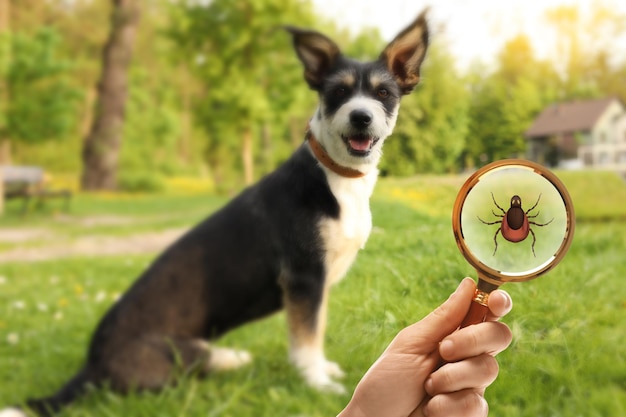
Ticks attach themselves to your pet’s skin, where they can remain unnoticed for days. Signs to watch for are the presence of small, round bumps while petting your dog or cat, particularly around the head, neck, ears, and feet. Some pets may become lethargic, lose their appetite, or develop a mild fever as a reaction to tick bites. It is important to check your pet’s coat thoroughly after walks in grassy or wooded areas, as ticks can be difficult to spot, especially in long or dark fur.
If you notice any of these signs, it is wise to investigate further and contact your veterinarian for advice. Early detection of fleas and ticks can prevent more serious health issues and discomfort for your pet.
Pets may not always show obvious physical symptoms. You might notice your dog becoming restless or anxious, or your cat hiding more than usual. These behavioral changes can sometimes signal skin irritation or discomfort caused by parasitic bites. Trust your instincts; if your pet seems off, it is worth a closer look.
Lakeland’s warm, humid climate creates the perfect environment for fleas and ticks to breed and thrive. Unlike colder regions where these parasites die off in winter, Florida’s weather allows their populations to persist year-round, with a surge in activity during the spring and summer.
Fleas are more than just a nuisance; they can cause allergic reactions, anemia in severe cases, and transmit tapeworms to pets who ingest them during grooming. Tick bites are equally worrisome, as ticks can carry diseases such as Lyme disease, ehrlichiosis, and anaplasmosis, which can affect both pets and humans.
The risk increases if your pet spends time outdoors, visits dog parks, or interacts with other animals. Even indoor pets are not completely safe, since fleas can hitch a ride inside on shoes or clothing. The proximity of wooded areas, lakes, and lush gardens in Lakeland only adds to the challenge.
Understanding the lifecycle of these pests helps explain why infestations can be so persistent. Fleas lay eggs that fall off your pet and develop in carpets, bedding, and soil. As the eggs hatch, larvae and pupae hide in the environment, ready to mature and jump onto a host. Ticks wait on grasses and shrubs, latching onto passing pets or people. Their lifecycles can last several months, making it difficult to eliminate them without comprehensive prevention.
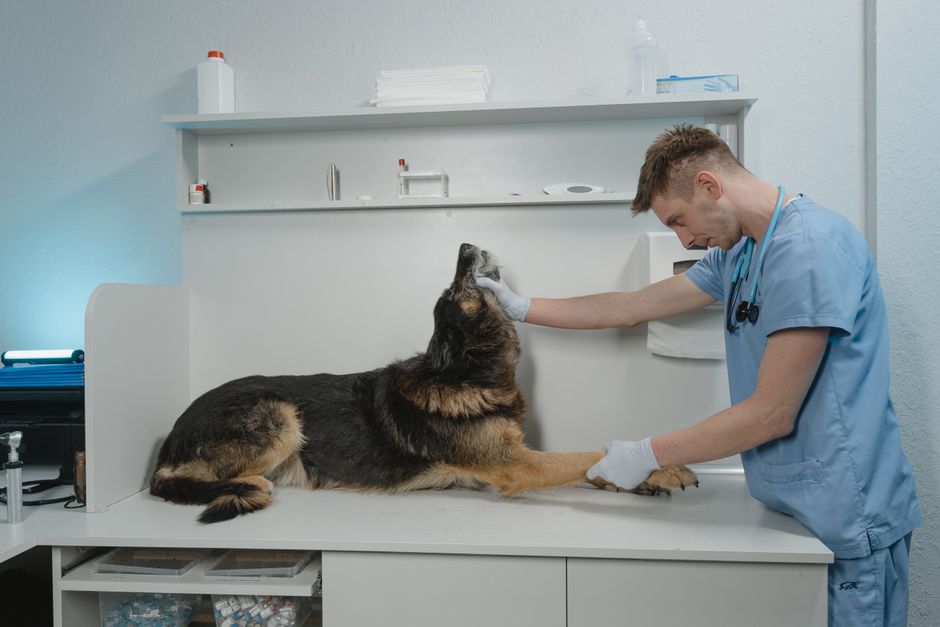
When you bring your pet to Pet Care On Highland for flea or tick concerns, our veterinarians start with a thorough physical examination. We look for evidence of parasites, check the skin for irritation, and assess any secondary infections or complications. If necessary, we may recommend diagnostic tests to rule out tick-borne diseases or other health issues.
Treatment approaches typically involve prescription flea and tick preventives, which are available in topical, oral, or collar forms. These medications are more effective and safer than most over-the-counter options. In cases where pets have developed skin infections or allergies, additional therapies such as medicated baths, antibiotics, or anti-itch medications may be needed.
If your pet has a severe infestation, environmental treatment is also important. Our veterinary team will provide advice on how to clean your home, treat bedding, and prevent future outbreaks. For ongoing protection, we will recommend a year-round preventive plan tailored to your pet’s lifestyle and health history.
Our comprehensive health and wellness services include guidance on parasite control and regular checkups to ensure your pet stays protected. We are always here to answer your questions and help you choose the most effective products for your dog or cat.
A single treatment may remove fleas or ticks, but the risk of reinfestation remains if prevention isn’t maintained. Our veterinarians emphasize the importance of consistent, monthly use of preventive products—especially in Lakeland’s climate, where pests are active nearly all year. We can help you set up reminders and integrate parasite prevention into your regular pet care routine.
While professional veterinary care is essential, there are many steps you can take at home to reduce the risk of fleas and ticks. Regular grooming and bathing make it easier to spot fleas or ticks before they become a bigger issue. Brushing your pet’s coat, especially after outdoor adventures, allows you to check for any unwanted hitchhikers.
Vacuuming carpets, washing pet bedding in hot water, and keeping your yard tidy can drastically cut down on flea populations. Mowing the lawn, trimming bushes, and removing leaf litter make your outdoor space less inviting for ticks. If you have multiple pets, treating all animals at the same time helps ensure no one is left unprotected.
Ask our veterinary professionals about safe, effective preventives that suit your pet’s lifestyle. Not all products are appropriate for every pet, so it is important to consult before trying something new. We can provide up-to-date recommendations and answer your questions about proper application, dosage, and safety.
Monthly spot-on treatments, oral medications, and long-lasting collars are among the most popular options. Effectiveness varies depending on your pet’s age, health status, and exposure risk. Our team can help you compare options and find the best fit. Remember, natural or DIY products may not offer adequate protection and could even be harmful if not used correctly.
For families with children or immunocompromised members, choosing a product that minimizes environmental contamination is especially important. Our veterinarians are happy to discuss these considerations and help you make an informed decision.
Not every case of itching means a serious flea or tick infestation, but there are times when professional help is crucial. If you notice persistent scratching, hair loss, visible fleas or ticks, or signs of infection such as red, oozing skin, schedule an appointment promptly. Pets that seem lethargic, develop a fever, or lose their appetite after a tick bite should always be seen by a veterinarian as soon as possible.
If you have tried at-home prevention and the problem persists, or if you are unsure which products are safe for your pet, our veterinary professionals can guide you. Certain health conditions or allergies may require special management, and our team can tailor solutions that keep your pet both protected and comfortable.
For urgent concerns or sudden, severe symptoms, we also offer urgent care and sick visits to address your pet’s needs quickly and effectively. Never hesitate to reach out if you are worried about your pet’s health; early intervention can prevent complications and ease your worries.
Routine wellness checks are an ideal time to discuss flea and tick prevention, assess your pet’s overall health, and update preventive plans as needed. Preventive care is the cornerstone of keeping pets healthy in Lakeland and surrounding areas, where environmental risks can change throughout the year. Our veterinarians are committed to building long-term relationships with you and your pet, providing support at every stage.
April in Lakeland brings plenty of sunshine and outdoor adventures, but it also marks the height of flea and tick season. With the right combination of professional guidance, effective prevention products, and diligent home care, you can keep your dog or cat happy and healthy all spring long.
If you have questions about flea or tick prevention, or if your pet is showing signs of discomfort, our veterinary team is here to help. To protect your pet this season, schedule an appointment at Pet Care On Highland—your trusted resource for year-round parasite prevention and wellness care. Whether you are searching for a veterinarian near me or want to learn more about our health and wellness services, we invite you to reach out.
Call us at (863) 937-7914 to book your visit or stop by our convenient Lakeland location. Our compassionate veterinary professionals are dedicated to keeping your pet healthy, comfortable, and protected—this April and all year long.
This blog is provided for informational purposes only and should not be used as a substitute for professional veterinary advice. Always consult your veterinarian regarding any health concerns or questions about your pet’s care. For more information about flea and tick prevention, visit reputable sources such as the American Veterinary Medical Association or the Centers for Disease Control and Prevention.