As spring settles into Lakeland, FL, many pet owners notice their dogs or cats scratching more often, especially as the days grow warmer and humidity rises. Fleas and ticks thrive in Florida’s climate and become especially active in May, putting your pet’s comfort and health at risk. At Pet Care On Highland, located at 222 W Highland Dr, Lakeland, FL 33813, our team of veterinarians is dedicated to helping you keep your pet healthy, itch-free, and protected from parasites all season long.
In this blog, we’ll guide you through the signs of flea and tick problems, explain why prevention is so important here in Lakeland, discuss effective treatment options, and share practical strategies to reduce your pet’s risk at home. We’ll also help you recognize when it’s time to seek veterinary care and outline how our clinic supports pet owners in Lakeland and surrounding communities. For those looking to stay ahead of flea and tick issues, our preventive care and wellness services offer year-round protection and peace of mind.
If you notice your dog or cat scratching, biting at their fur, or behaving restlessly this spring, fleas and ticks may be to blame. Common symptoms of a flea infestation include frequent scratching, red or irritated skin, hair loss—especially around the tail or hindquarters—and tiny black specks (flea dirt) in your pet’s coat. You might also spot live fleas moving quickly through the fur, especially if you use a flea comb near the base of the tail or around the neck.
Ticks, on the other hand, are often less obvious at first. These parasites attach themselves to your pet’s skin, where they may remain hidden under fur for days. Signs of tick problems include small, firm bumps on the skin, visible ticks attached near the ears, neck, or between toes, and unexplained lethargy or loss of appetite. In some cases, a tick bite can cause localized swelling or discomfort. Because ticks are known to transmit serious diseases like Lyme disease and ehrlichiosis, it’s important to examine your pet regularly, especially after walks through grassy or wooded areas in Lakeland.
Other subtle signs that may suggest a flea or tick issue include excessive licking, chewing at the paws, or sudden changes in behavior such as increased irritability. If you observe any of these symptoms, it’s a good idea to inspect your pet closely and consider scheduling a veterinary visit for further evaluation.
Lakeland’s warm, humid climate creates an ideal environment for fleas and ticks to thrive nearly year-round, but their populations surge during the spring and early summer. These parasites often hide in tall grass, shrubs, shaded yards, and even inside homes if conditions allow. Dogs and cats can pick them up while exploring the backyard, visiting parks, or simply going for a walk around the neighborhood.
Fleas and ticks are more than just a nuisance; they can cause significant discomfort and lead to serious health problems for your pet. Fleas are notorious for spreading tapeworms and causing allergic dermatitis, a condition where pets develop itchy, inflamed skin from flea bites. Heavy infestations can even lead to anemia in puppies and kittens. Ticks are well-known carriers of diseases that can affect both pets and people. In Florida, pets are at risk for tick-borne illnesses such as Lyme disease, ehrlichiosis, and anaplasmosis. These diseases can cause symptoms ranging from fever and joint pain to long-term organ damage if left untreated.
Because Lakeland’s seasons rarely get cold enough to kill off parasite populations, the risk of flea and tick problems does not disappear in winter. Instead, May marks the beginning of their most active period, making spring an essential time to ramp up your pet’s parasite prevention.
If your pet is already dealing with fleas or ticks, prompt treatment is vital to prevent further discomfort and reduce the risk of complications. At Pet Care On Highland, our veterinary team offers a range of safe and effective flea and tick treatments tailored to your pet’s needs and health status.
Treatment options for fleas typically involve prescription oral or topical medications that kill adult fleas and prevent eggs from hatching. These medications work quickly—many begin eliminating fleas within hours and provide ongoing protection for several weeks. In cases of heavy infestations, we may recommend bathing your pet with a veterinarian-approved flea shampoo, followed by thorough cleaning of bedding, carpets, and soft furnishings to remove eggs and larvae from your home environment.
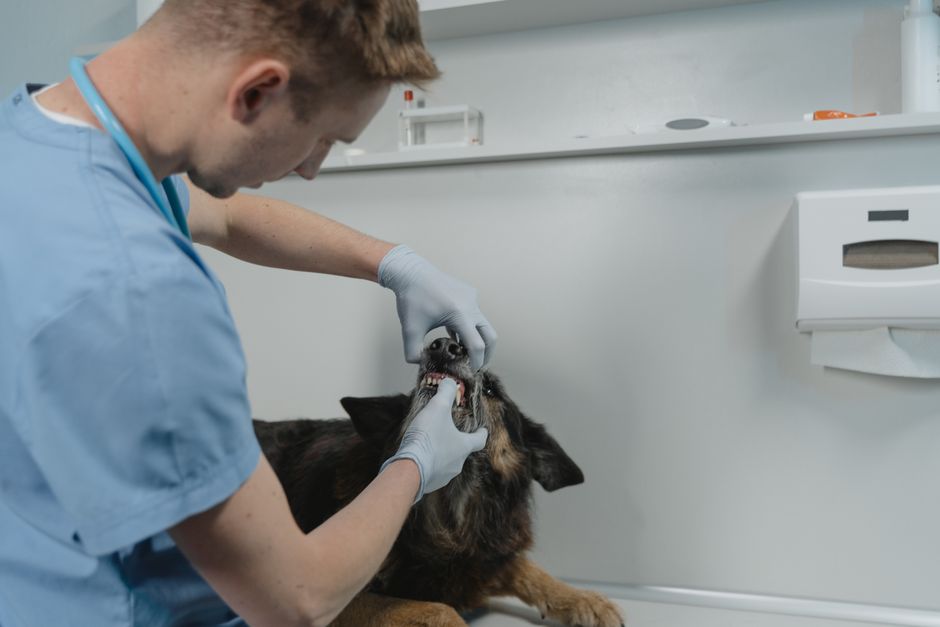
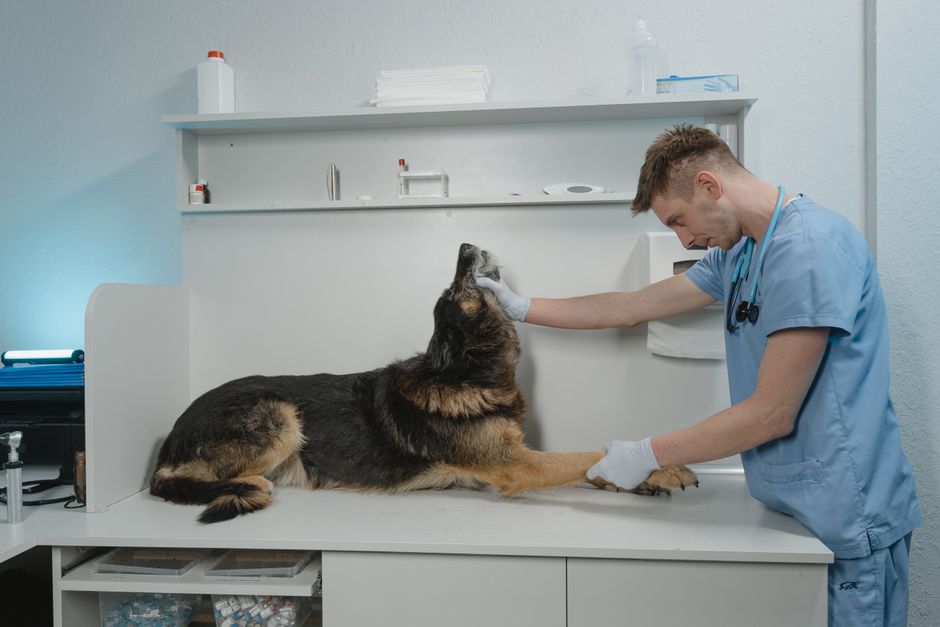
For tick removal, our veterinarians use gentle, precise techniques to safely detach ticks without leaving mouthparts behind, which can reduce the risk of infection. After removal, we examine your pet’s skin for any signs of irritation or secondary infection and discuss ongoing tick prevention. Depending on your pet’s lifestyle and health, we may recommend monthly oral, topical, or collar-based preventives that target both fleas and ticks.
If your pet shows signs of illness after a flea or tick bite—such as fever, limping, or lethargy—additional diagnostic tests may be needed to rule out tick-borne diseases. Our urgent care and sick visit services are available for pets who need immediate attention due to parasite-related symptoms.
Prevention is the best defense against fleas and ticks, especially in a region like Lakeland where these pests are a constant threat. Keeping your pet on a veterinarian-recommended flea and tick preventive year-round is essential, even if your pet spends most of their time indoors. There are several safe and effective options, including monthly chewable tablets, topical solutions, and long-lasting collars. Your veterinarian can help you choose the right product based on your pet’s age, breed, weight, and health status.
In addition to preventive medications, maintaining a clean home and yard goes a long way toward reducing the risk of infestations. Regularly vacuuming carpets, washing pet bedding, and keeping your lawn trimmed can help limit places where fleas and ticks hide. If your pet spends time outdoors, consider creating a barrier between grassy or wooded areas and your yard, and check your pet for ticks after walks or playtime outside.
Checking your pet’s fur and skin for signs of parasites should become part of your daily routine, especially during peak season. Pay close attention to hidden spots such as behind the ears, under the collar, around the tail, and between the toes. Early detection makes it much easier to address a problem before it escalates.
While mild itching or a single flea may be managed at home with preventive products, there are times when professional veterinary care is essential for your pet’s wellbeing. You should seek veterinary help if your pet is scratching excessively, losing patches of fur, developing red or irritated skin, or if you find multiple fleas or ticks on their body. Other reasons to visit your veterinarian include signs of illness such as fever, lethargy, loss of appetite, or limping after a tick bite.
Puppies, kittens, senior pets, and those with underlying health issues are especially vulnerable to complications from fleas and ticks and should be evaluated promptly if exposed. If you are unsure about the best course of action or need help selecting a safe and effective preventive, your veterinarian can provide guidance tailored to your pet’s specific risk factors and lifestyle.
Our team at Pet Care On Highland encourages pet owners in Lakeland and nearby communities to prioritize preventive care, especially as spring brings an uptick in flea and tick problems. Scheduling a comprehensive pet exam is an excellent way to ensure your pet is protected and to receive personalized recommendations for parasite prevention.
Fleas and ticks are an unavoidable part of life in Central Florida, but with the right prevention and swift action, you can keep your pet happy and healthy all year long. Watching for early warning signs, using veterinarian-recommended preventives, and scheduling regular wellness visits provide the best protection for your pet.
If you notice any signs of fleas or ticks, or if you have questions about the best prevention products for your dog or cat, our veterinary professionals are here to help. We invite you to schedule an appointment or call us at (863) 937-7914 to discuss your pet’s needs. For urgent concerns, our urgent care and sick visit services ensure that your pet can receive timely attention.
When searching for a veterinarian near me, trust the experienced team at Pet Care On Highland to provide compassionate, comprehensive care for your beloved companion. Together, let’s make this May a comfortable, itch-free month for your pet in Lakeland.
This blog is intended for informational purposes only and does not replace professional veterinary evaluation. Always consult your veterinarian for specific questions or concerns about your pet’s health or parasite prevention.