If your dog or cat seems to be shaking their head, scratching at their ears, or showing signs of discomfort as Lakeland’s hot and humid September settles in, you’re not alone. Ear infections are a common concern for pet owners in Central Florida, especially during the muggy months when heat and moisture create ideal conditions for irritation and infection. At Pet Care On Highland, located at 222 W Highland Dr, Lakeland, FL 33813, our veterinary team understands how frustrating and uncomfortable ear problems can be for both pets and their families. In this guide, we’ll help you recognize early signs of ear infections, understand why they happen, learn practical prevention strategies, and know when to schedule an appointment with your veterinarian. By staying proactive and informed, you can keep your pet’s ears healthy and help them stay comfortable all season long.
Whether you’re dealing with a dog who loves swimming in local lakes or a cat who enjoys sunbathing by the window, ear care is essential. Let’s explore what every pet owner in Lakeland and surrounding communities should know about preventing ear infections in dogs and cats.
Spotting an ear infection early can make a big difference in your pet’s comfort and recovery. While some pets show obvious signs, others may be more subtle. Common symptoms of ear infections in dogs include head shaking, frequent scratching at the ears, redness or swelling inside the ear flap, a strong or unusual odor, discharge that may be yellow, brown, or black, and whimpering or reacting when the ear is touched. You might also notice your dog holding their head tilted to one side or rubbing their ears against the floor or furniture.
Cats can be more discreet, but signs to watch for are similar. These include scratching at the ear, head shaking, sensitivity when the ear is touched, dark or waxy discharge, and a foul smell coming from the ear. Some cats may hide or seem more irritable when they have an ear infection.
If you’re wondering whether your dog’s constant itching is related to their ears, our dog itching guidance can help you determine if it’s time for a closer look. For cat owners, cat itching resources are also available to help you understand the possible connection to ear irritation or infection.
Ear infections in dogs and cats rarely appear out of nowhere. In Lakeland, the warm and humid climate is a major factor because moisture trapped in the ear canals can encourage bacteria and yeast to grow. Dogs with floppy ears, such as Cocker Spaniels and Golden Retrievers, are especially prone to trapped moisture and poor air circulation in their ears, but any breed can be affected. Pets that love swimming, whether in backyard pools or nearby lakes, are also at higher risk due to the extra moisture.
Allergies play a significant role in ear infections as well. Dogs and cats with environmental allergies (such as pollen, mold, or dust mites) or food sensitivities may experience inflammation in the ears, setting the stage for infection. Parasites like ear mites are a more common cause in cats, especially kittens or outdoor cats, but can affect dogs as well.
Underlying skin conditions, hormonal imbalances such as hypothyroidism, and even foreign objects like grass seeds can contribute to ear problems. Wax buildup and improper ear cleaning techniques may also irritate the ear canal, increasing the risk of infection. Recognizing and addressing these underlying factors is key to long-term ear health for your pet.
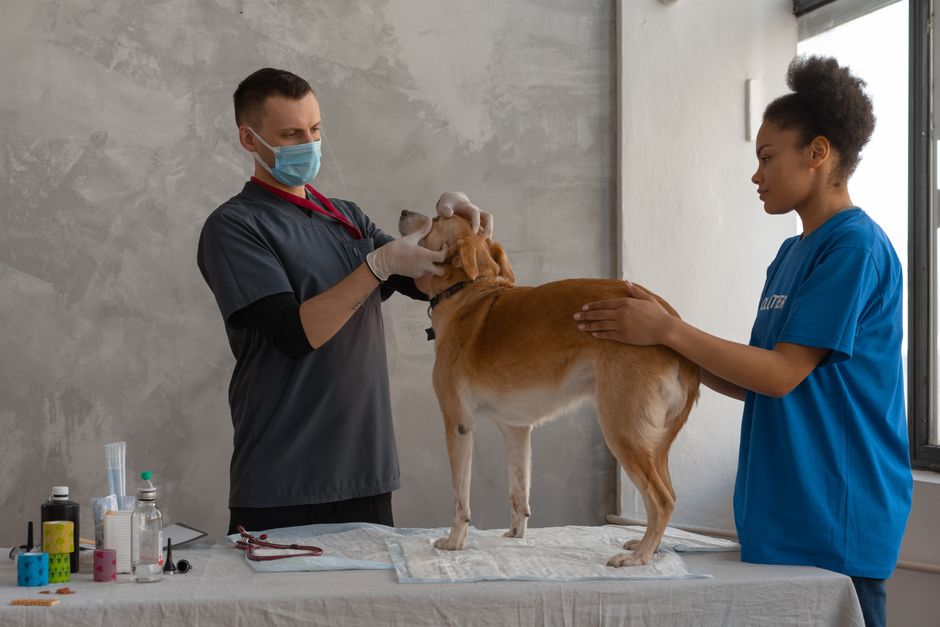
When you bring your pet to Pet Care On Highland for ear issues, our veterinary team will start with a thorough examination of your pet’s ears and a discussion of their symptoms and environment. We may use an otoscope to see deep inside the ear canal and take samples of any debris or discharge for microscopic evaluation. This helps us identify whether the infection is caused by bacteria, yeast, ear mites, or another underlying issue.
Treatment approaches involve several important steps. Most cases require gentle cleaning of the ear canal with a veterinary-approved solution. Your veterinarian will prescribe appropriate medications, which might include topical ear drops, oral medications, or both, depending on the severity and type of infection. Medications are tailored to address the specific organism involved, whether it is bacterial, fungal, or parasitic.
If your pet is experiencing pain or swelling, anti-inflammatory medications or pain relief may be recommended. In some cases, severe infections may require follow-up visits or advanced diagnostics like culture and sensitivity testing to ensure the infection clears completely. Our goal is to resolve the infection, ease your pet’s discomfort, and prevent further complications such as chronic ear disease or hearing loss.
If you’d like more detailed information on what to expect during a visit for ear infections, our dedicated resources on dog ear infection and cat ear infection can help guide you through the process.
The best way to protect your dog or cat from ear infections is through regular preventive care, especially during Lakeland’s humid months. Consistent ear checks are the foundation of good ear health. Make it a habit to gently examine your pet’s ears once a week, looking for signs of redness, swelling, odor, or discharge. Early detection can help you catch minor issues before they become major problems.
Cleaning your pet’s ears when recommended by a veterinarian is another important preventive step. Use only vet-approved ear cleaners and avoid cotton swabs, as these can push debris deeper into the ear canal or cause injury. After bathing or swimming, dry your pet’s ears thoroughly with a soft towel, paying special attention to dogs with longer or floppy ears.
Addressing underlying allergies can also reduce the risk of recurrent infections. If your pet has seasonal allergies, work with your veterinarian to manage symptoms and consider allergy testing if ear problems are frequent. Regular grooming, especially for dogs with long hair around the ears, can help keep the ear area clean and free of moisture.
Routine health and wellness examinations with your veterinarian are vital for monitoring your pet’s overall health, including their ears. These checkups allow us to identify early signs of trouble and provide personalized advice for ear care based on your pet’s individual needs and lifestyle.
While mild ear irritation might sometimes resolve with simple cleaning, persistent or severe symptoms always require veterinary attention. You should schedule an appointment with our veterinary team if your pet’s symptoms include frequent head shaking, continual scratching at the ears, visible redness or swelling, discharge, a strong odor, pain when the ear is touched, or changes in behavior such as hiding or lethargy. Sudden loss of balance, walking in circles, or tilting the head are signs of a more serious ear problem that should be addressed promptly.
Recurrent infections or infections that do not improve with initial treatment may signal an underlying issue such as allergies, resistant bacteria, or growths in the ear canal. Our team at Pet Care On Highland is equipped to provide comprehensive diagnostics and tailored treatment plans for both dogs and cats experiencing ear problems. If you are unsure whether your pet’s symptoms warrant a visit, our online resources for dog ear infection or cat ear infection can guide your decision, but it’s always better to err on the side of caution and call for professional advice.
Ear infections can be a source of stress for both pets and their owners, but with the right knowledge and support, you can prevent many problems before they start. By staying alert to the early signs, practicing regular ear care, and partnering with your veterinary team for routine wellness exams, you are giving your dog or cat the best chance for a lifetime of healthy, comfortable ears.
If you have noticed changes in your pet’s ears or want peace of mind about their ear health, schedule an appointment with our experienced veterinarians at Pet Care On Highland. Our compassionate team is dedicated to providing modern, full-service care for pets throughout Lakeland and surrounding communities. When searching for a veterinarian near me, you can trust our clinic to deliver attentive, personalized care in a welcoming environment.
To book a wellness examination or discuss your pet’s ear health concerns, call us at (863) 777-4038 or visit us at 222 W Highland Dr, Lakeland, FL 33813. For more resources about pet health and preventive care, explore our health and wellness examination services. Your pet’s comfort and wellbeing are always our top priority.