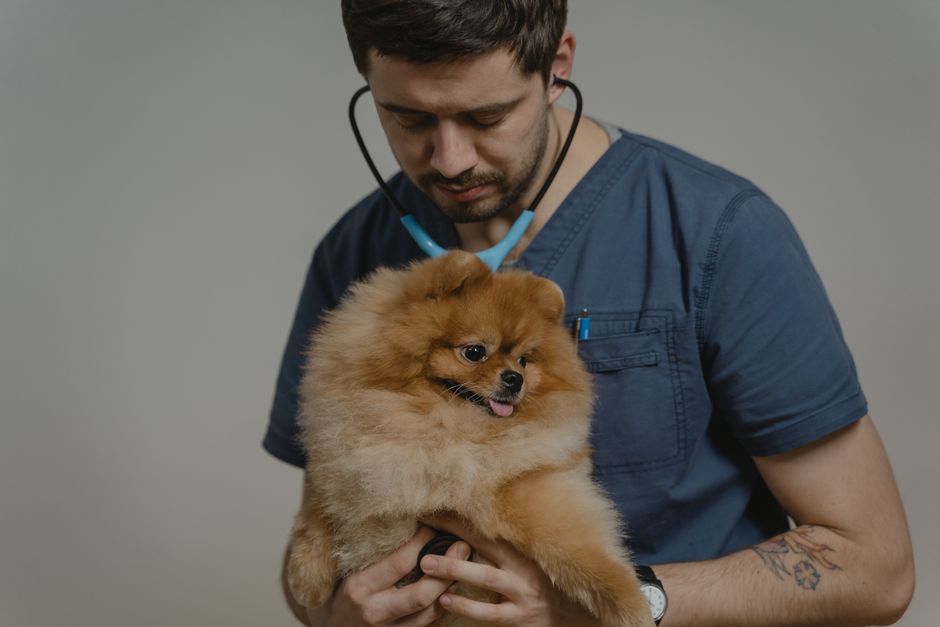
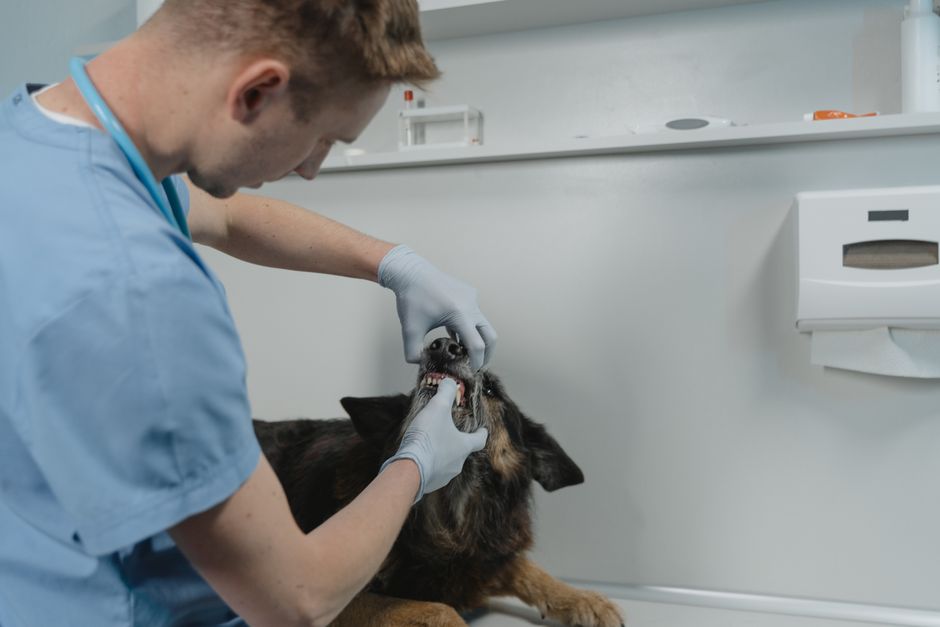
If you have ever watched your dog limp after a long walk or whimper after a minor injury, you know how heartbreaking it can be to see your companion in pain. Many pet owners in Lakeland and the surrounding communities wonder if they can reach for their own medicine cabinet and give ibuprofen to their dog for relief. At Pet Care On Highland, we hear this question often, and it’s important to address the real risks associated with dog ibuprofen use. In this blog, we’ll discuss why ibuprofen is dangerous for dogs, how to recognize signs of toxicity, what to do if your dog is exposed, safe alternatives for pain relief, and when to contact your Lakeland veterinarian for help.
Whether you are seeking answers for a sudden accident or planning long-term comfort for your pet, our team of veterinarians at Pet Care On Highland is here to help protect your dog’s health. Let’s explore everything you need to know about dog ibuprofen risks and the best ways to keep your pet safe.
Many pet owners are surprised to learn that ibuprofen, a common over-the-counter pain reliever for humans, is highly toxic to dogs. The temptation to provide quick relief for a limping or uncomfortable dog is understandable, especially when human medications are so readily available. Unfortunately, even a single dose of ibuprofen can cause severe health problems for your pet.
Symptoms of ibuprofen toxicity in dogs can appear within hours of ingestion. Key signs include vomiting, loss of appetite, drooling, abdominal pain, and lethargy. Some dogs may develop diarrhea or dark, tarry stools as the medication begins to damage the gastrointestinal tract. In more severe cases, dogs may show weakness, uncoordinated movement, or even seizures if the toxicity progresses.
If your dog has accidentally ingested ibuprofen, or if you are unsure but notice sudden changes in their behavior, it is vital to act quickly. Waiting for symptoms to worsen can lead to more serious complications, so early recognition and intervention are essential for the best outcome.
Ibuprofen belongs to a class of medications called non-steroidal anti-inflammatory drugs (NSAIDs). While NSAIDs can offer pain relief and reduce inflammation in people, a dog’s body processes these medications very differently. Dogs are much more sensitive to ibuprofen’s effects, making even small amounts potentially life-threatening.
When a dog ingests ibuprofen, the drug rapidly absorbs into the bloodstream and begins to interfere with normal protective functions in the stomach, intestines, and kidneys. Ibuprofen blocks enzymes that maintain the lining of the digestive tract, leading to ulceration and bleeding. It also impacts blood flow to the kidneys, increasing the risk for acute kidney injury or even kidney failure.
The danger is compounded by the fact that dogs do not metabolize ibuprofen efficiently. Even a single tablet can be toxic for small dogs, and higher doses can cause problems in larger breeds. Unlike some medications that are eliminated quickly, ibuprofen can linger in the system, extending the duration and severity of symptoms.
For more information on the risks and what to do if your dog has already ingested ibuprofen, visit our detailed guide on what to do if your dog ate ibuprofen.
If your dog has consumed ibuprofen, immediate veterinary intervention is crucial. Do not attempt to treat your dog at home or wait to see if symptoms improve on their own. Successful treatment depends on the amount ingested, the size and health of your dog, and how quickly professional care is provided.
Initial steps at the veterinary clinic may include inducing vomiting if the ingestion was recent and your dog is alert. Activated charcoal may be administered to help absorb any remaining ibuprofen in the stomach and intestines. Your veterinarian will perform blood work to assess kidney function and may recommend intravenous fluids to support circulation and kidney health.
In cases where ulcers are suspected, medications to protect the stomach lining and reduce acid production will be given. Dogs with more serious toxicity may require hospitalization for ongoing monitoring, pain management, and supportive care. The prognosis depends on how quickly treatment is started and the dose of ibuprofen ingested. Some dogs recover fully with prompt care, while others may face long-term complications or, in severe cases, life-threatening consequences.
For a closer look at how our team at Pet Care On Highland approaches pain control with safety in mind, learn about our pain management, monitoring, and anesthesia services.
It is natural to want to ease your dog’s discomfort, but human medications like ibuprofen are never a safe option. Instead, consult your veterinarian for appropriate pain management tailored to your dog’s needs. Veterinary-approved medications for pain and inflammation are specifically formulated for dogs, taking into account their unique metabolism and sensitivities.
Common veterinary pain relief options include prescription NSAIDs designed for dogs, as well as other medications that address chronic pain from arthritis, injury, or surgery. Non-pharmaceutical therapies, such as laser therapy, physical rehabilitation, and joint supplements, may also be recommended depending on your pet’s condition.
Never give your dog any medication without first consulting your veterinarian. Even supplements and “natural” remedies can interact with other medications or cause side effects if not used correctly. By working with your veterinary team, you can develop a comprehensive pain management plan that supports your dog’s comfort and overall health.
Prevention is always easier than treatment. Many cases of dog ibuprofen toxicity occur when a pet accidentally ingests dropped pills, chews through a medication bottle, or is mistakenly given a human dose by a well-meaning owner. You can minimize the risk by keeping all medications securely stored in cabinets or drawers that are out of your dog’s reach.
Be vigilant about cleaning up any dropped tablets or capsules immediately, and never leave medication bottles unattended on counters, tables, or nightstands. If you have guests or children in the home, remind them not to share human medications with your dog. It is also helpful to inform your veterinary team about any medications present in your household, especially during routine health and wellness visits.
Consider scheduling regular checkups and discussing your dog’s pain or mobility concerns with your veterinarian. Routine evaluations can catch early signs of arthritis or injury, allowing for a safe and effective pain management plan before problems escalate. Explore our health and wellness preventive care for pets to see how proactive veterinary care can benefit your companion.
Knowing when to contact your veterinarian could make all the difference for your dog’s outcome. You should seek immediate veterinary attention if your dog has ingested any amount of ibuprofen, even if you are unsure of the quantity or timing. Symptoms such as vomiting, drooling, loss of appetite, abdominal pain, or changes in behavior are signs that your dog’s health may be in jeopardy.
Do not wait for symptoms to worsen. Quick action improves the chances of a full recovery and reduces the risk of permanent organ damage. If your regular veterinarian is unavailable, contact an emergency clinic right away. At Pet Care On Highland, our compassionate veterinary professionals are here to guide you through every step, from initial triage to follow-up care.
If you suspect your dog has ingested ibuprofen or any other potentially toxic substance, call us at (863) 937-7914 or bring your pet to 222 W Highland Dr, Lakeland, FL 33813 for prompt evaluation. For more information about how we handle urgent situations, visit our page on urgent care and sick visit veterinary services.
The bottom line is that dog ibuprofen use is never safe. While it can be tempting to reach for a familiar over-the-counter medication when your dog is hurting, the risks far outweigh any potential benefit. Ibuprofen toxicity can cause swift and devastating effects on your dog’s gastrointestinal tract, kidneys, and nervous system. Early recognition, quick action, and reliance on veterinary expertise are the best ways to protect your companion.
If you are ever in doubt about your dog’s pain or have questions about safe alternatives, don’t hesitate to reach out to our team at Pet Care On Highland. We are committed to providing comprehensive, compassionate care for your pets in Lakeland and surrounding areas. Scheduling a consultation with our veterinarians is the best way to ensure your dog’s safety and comfort.
When searching for a vet near me, trust that the experienced veterinary team at Pet Care On Highland is dedicated to your pet’s health and well-being. For questions about dog ibuprofen, pain relief options, or to schedule an appointment, call us at (863) 937-7914 or visit us at 222 W Highland Dr, Lakeland, FL 33813. Your pet’s safety is always our top priority.
This blog is for informational purposes only and should not be used as a substitute for professional veterinary advice. If you believe your dog has ingested ibuprofen or any other medication, seek immediate veterinary care.