When your dog or cat suddenly seems sick or injured, it can be difficult to know whether you’re dealing with a minor issue or a true emergency. As a caring pet owner in Lakeland, you want to do everything possible to keep your furry family members safe and healthy, especially as the holiday season approaches and household hazards increase. At Pet Care On Highland, located at 222 W Highland Dr, Lakeland, FL 33813, our experienced veterinary team understands how stressful these situations can be. In this guide, we’ll help you recognize the most common signs of a pet emergency, explain what to do if your dog or cat needs urgent care, and share steps to prepare for unexpected situations. By staying alert and informed, you can make the best decisions for your pet’s health and well-being.
The first step in protecting your pet is knowing how to spot the warning signs of a true emergency. While some symptoms may seem mild at first, certain changes in your dog or cat’s behavior or appearance should never be ignored. Key symptoms that often signal a need for immediate veterinary attention include sudden collapse, difficulty breathing, repeated vomiting or diarrhea (especially if blood is present), unresponsiveness, severe pain, uncontrolled bleeding, inability to urinate, bloated or distended abdomen, seizures, and signs of poisoning. Other red flags are pale gums, rapid heart rate, extreme lethargy, and traumatic injuries such as being hit by a car or falling from a height.
It’s important to note that some emergencies can look different depending on your pet’s species, age, and underlying health conditions. For example, a bloated stomach in a large-breed dog could indicate a life-threatening condition called gastric dilatation-volvulus (GDV), while a cat with sudden paralysis in the hind legs may be experiencing a blood clot related to heart disease. If your pet is showing any unusual signs or you are unsure about the severity of their symptoms, err on the side of caution and seek veterinary guidance right away. For more information on specific symptoms, you can visit our pages on dog vomiting, cat vomiting, dog seizures, or cat seizures.
Not all emergencies present with dramatic symptoms; sometimes, changes can be much more subtle. Watch for signs such as persistent coughing, sudden appetite loss, hiding or vocalizing in pain, changes in urination or defecation habits, or any behavioral change that seems out of character for your pet. These symptoms may develop slowly but can still indicate serious underlying problems. For example, if your dog is suddenly lethargic or your cat begins urinating outside the litter box, these could be early signs of illness that warrant prompt attention. Learn more about lethargy in dogs or lethargy in cats on our website.
Understanding why emergencies happen can help you prevent them and respond quickly if they occur. The most frequent causes of urgent veterinary visits include trauma (such as car accidents or falls), ingestion of toxic substances, sudden illness or infection, allergic reactions, heatstroke, and pre-existing health problems. In Lakeland, the warmer climate and active outdoor lifestyle can increase the risk of heat-related emergencies and encounters with hazardous plants or wildlife. During the holiday season, pets are more likely to ingest dangerous foods, decorations, or medications left within reach.
Poisoning is a particularly common emergency in dogs and cats. Foods like chocolate, xylitol (found in sugar-free gum), grapes, and onions can be extremely dangerous. Household items such as antifreeze, rodenticides, and certain human medications are also toxic. Seasonal plants, especially lilies, can cause acute kidney failure in cats. If you suspect your pet has ingested something harmful, prompt action is essential. For details on specific toxins, visit our resources on chocolate ingestion in dogs, ibuprofen ingestion in dogs, or lily toxicity in cats.
Other emergencies are related to chronic conditions that suddenly worsen, such as heart disease, diabetes, kidney failure, or cancer. Knowing your pet’s health history and being vigilant for any changes will help you catch problems before they become life-threatening.
When you realize your dog or cat is experiencing a possible emergency, staying calm and taking quick, thoughtful action can make a significant difference. First, assess your pet’s condition as safely as possible; check for breathing, responsiveness, and visible injuries. If your pet is unconscious, having trouble breathing, or bleeding severely, call your veterinarian immediately for instructions while preparing to transport your pet to the clinic. If your pet has ingested a known toxin, bring the packaging or a sample with you if possible.
Do not attempt to treat serious wounds, administer medications, or induce vomiting without direct veterinary guidance, as this can lead to further harm. Gently confine your pet in a carrier or use a blanket for support if you must move them. For cats or small dogs, a sturdy box or basket lined with a towel can provide safe transport. Never put yourself at risk of being bitten or scratched; even the friendliest pets may react defensively when in pain.
At Pet Care On Highland, our team is equipped to handle a wide range of urgent situations during our regular appointment hours. If your emergency occurs after hours, visit our after-hours emergency information page for guidance on local resources.
Not every concern requires a late-night rush to the clinic, but there are situations where waiting can be dangerous. Seek emergency care right away if your pet is not breathing, is unconscious, has severe bleeding, is having repeated seizures, cannot walk or stand, or shows signs of poisoning or bloat. If you are ever unsure, it’s always better to contact your veterinarian for advice. Our urgent care and sick visits page outlines the types of cases we frequently see and how we can help.
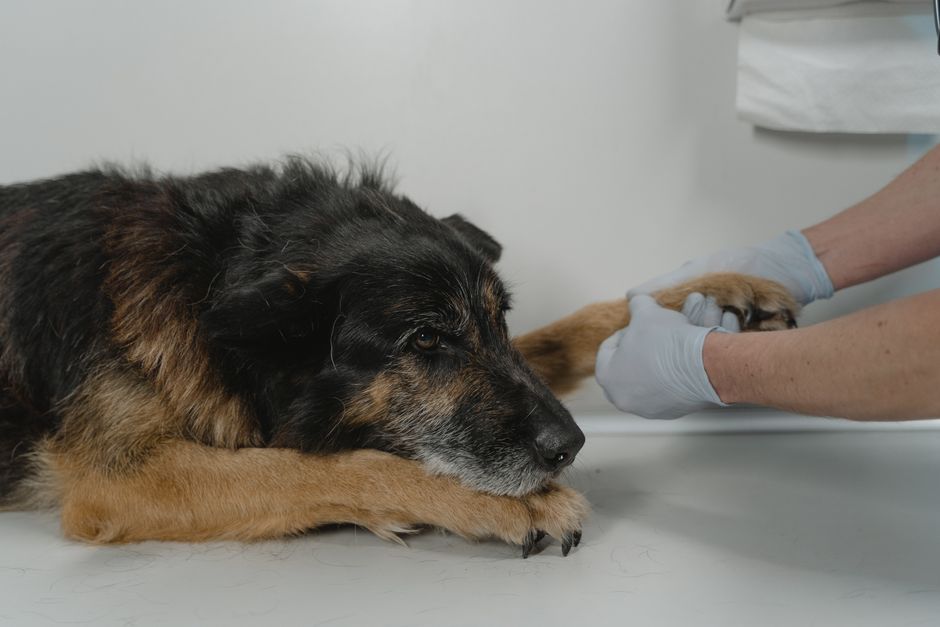
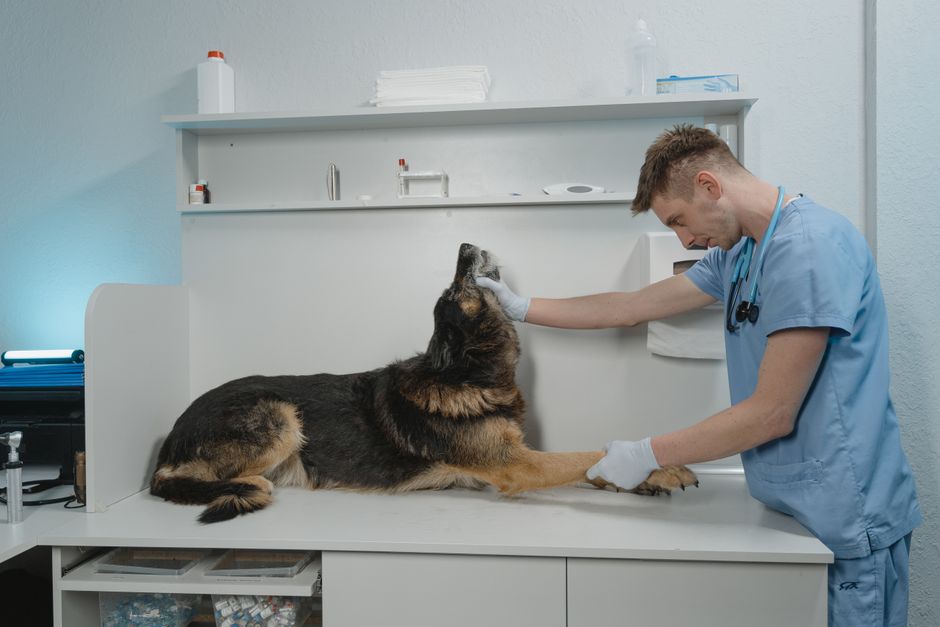
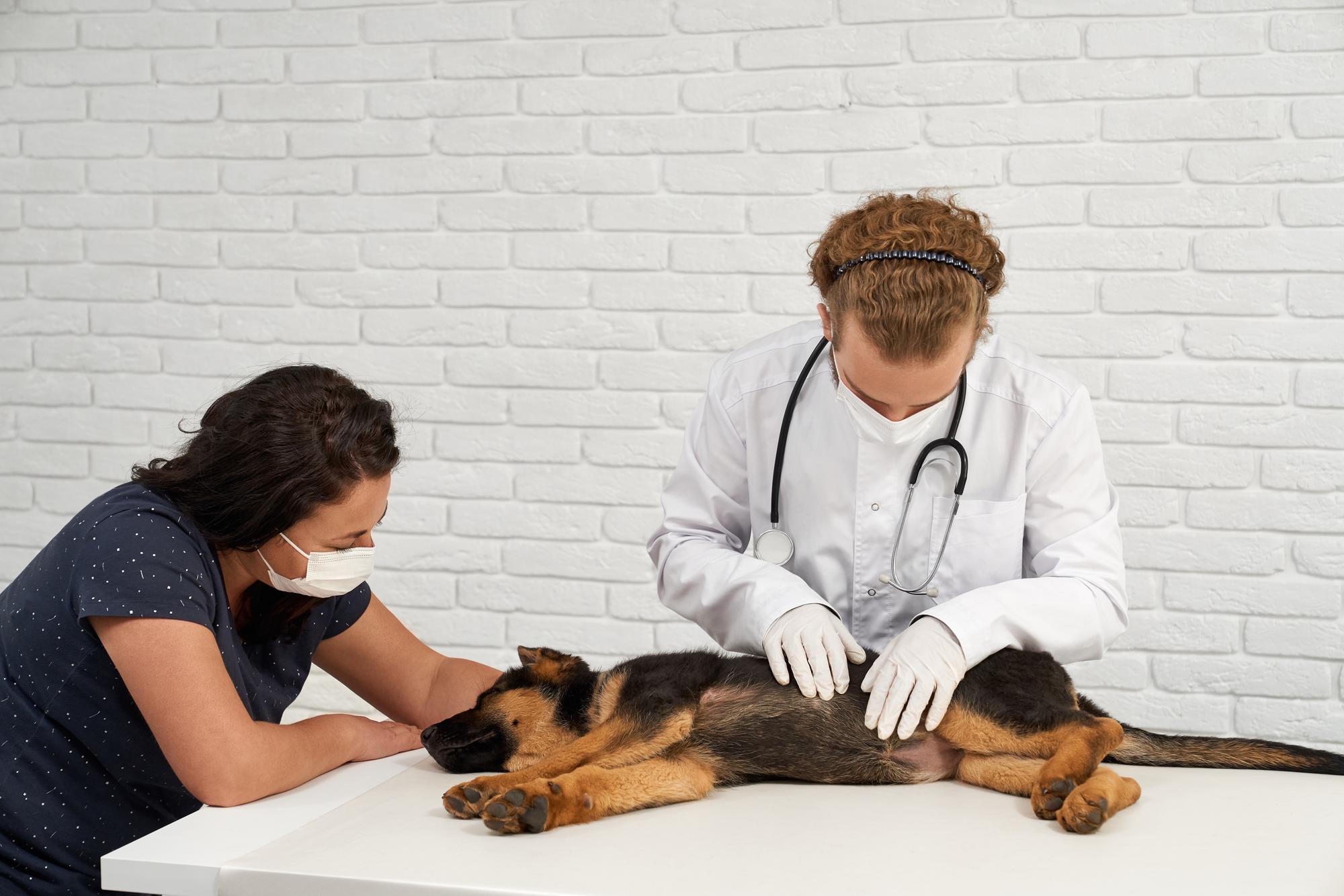
When you arrive at the veterinary clinic with a sick or injured pet, our veterinary professionals will rapidly assess your pet’s condition to determine the level of urgency. Triage is the process of prioritizing care based on the severity of symptoms. Pets with life-threatening issues such as breathing difficulties, shock, or uncontrolled bleeding are stabilized first.
Treatment approaches depend on the specific emergency but may include intravenous fluids, pain management, wound care, oxygen therapy, medications to control seizures or vomiting, and surgical intervention when necessary. For toxin ingestion, therapies may involve inducing vomiting, administering activated charcoal, or providing antidotes if available. Diagnostic tools such as blood tests, x-rays, or ultrasound may be used to identify the underlying problem and guide treatment decisions.
Throughout the process, our team will communicate with you about your pet’s status, recommended treatments, and prognosis. We understand how stressful emergencies are for pet owners and strive to offer compassionate, transparent care every step of the way.
While not all emergencies can be prevented, there are practical steps you can take to reduce your pet’s risk. Keeping hazardous foods, medications, and chemicals securely stored out of reach is an essential part of pet-proofing your home. Regularly check for choking hazards such as toys, small objects, or household decorations that curious pets might swallow. If you have plants in your home, verify that they are safe for dogs and cats; remove any that are known to be toxic.
Supervising your pets during outdoor activities, especially near busy streets or unfamiliar animals, can help prevent traumatic injuries. In Lakeland’s warm climate, always provide plenty of fresh water and shade to avoid heatstroke, and never leave your pet unattended in a parked car. Regular veterinary check-ups are crucial for catching health issues early and maintaining up-to-date vaccinations and parasite prevention programs.
If your pet has a chronic medical condition, work closely with your veterinarian to manage their health, monitor for warning signs, and adjust treatment plans as needed. Creating an emergency kit that includes your veterinarian’s contact information, a list of medications, and basic first-aid supplies can help you respond quickly if the unexpected occurs.
Deciding when to call the veterinarian can feel overwhelming, especially if you are unsure whether your pet’s symptoms are urgent. In general, you should always contact your veterinary clinic if your dog or cat is having breathing trouble, is unable to walk, has persistent vomiting or diarrhea, collapses, has a bloated abdomen, is bleeding heavily, is straining to urinate without success, or is unresponsive to your attempts to wake them. Time is critical in these situations, and prompt action can save your pet’s life.
If you are dealing with less obvious signs, such as changes in appetite, behavior, or energy level, reach out to your veterinarian for guidance. It is always better to ask and be reassured than to risk missing a serious problem. Our team at Pet Care On Highland is committed to helping you make these decisions and providing expert care when your pet needs it most.
When an urgent situation arises, you want to know that a trusted veterinarian near you is ready to help. Pet Care On Highland proudly serves Lakeland and surrounding communities with modern, comprehensive veterinary services. Our clinic at 222 W Highland Dr, Lakeland, FL 33813 offers preventive care, urgent care, diagnostics, surgery, and more, all delivered by an experienced veterinary team who truly cares about your pet’s well-being.
If you are searching for a "vet near me" in Lakeland, know that we are here to support you through both routine visits and unexpected emergencies. Our goal is to build lasting relationships with pet owners so that you always have a knowledgeable, compassionate team to turn to when your dog or cat needs help.
Emergencies are never planned, but being prepared can make all the difference. By recognizing the signs of a pet emergency, understanding what to do, and knowing where to seek care, you can feel confident in protecting your beloved companion. If you suspect your pet is experiencing a medical emergency, do not wait; contact our veterinary professionals at Pet Care On Highland at (863) 937-7914 or visit us at 222 W Highland Dr, Lakeland, FL 33813. For more information on urgent care and the types of emergencies we treat, visit our page on urgent care and sick visits. Your pet’s health and safety are always our top priority.
This blog is intended for informational purposes only and does not replace professional veterinary care. Always consult your veterinarian for advice specific to your pet’s health and needs.