The holiday season brings excitement and, for many Lakeland pet owners, the opportunity to travel with their dogs and cats to visit friends and family. Whether you’re heading out for a Thanksgiving road trip, flying to see relatives in another state, or planning a staycation closer to home, making sure your furry family members are safe and comfortable during travel is essential. At Pet Care On Highland, located at 222 W Highland Dr, Lakeland, FL 33813, our team of veterinarians understands the challenges and joys of holiday travel with pets. In this guide, we’ll walk you through recognizing travel-related stress or illness in your dog or cat, what causes problems on the road or in the air, how to prepare for a smooth journey, steps to keep your pet comfortable and healthy, and when to seek professional veterinary care. By planning ahead and following these tips, you can help ensure a safe, stress-free holiday adventure for every member of your family.
If you’re curious about keeping your pets safe from seasonal hazards beyond travel, our holiday dangers and seasonal hazards guide offers valuable information for the festive months.
Before making travel arrangements, it’s important to consider how your dog or cat typically reacts to changes in routine, new environments, or car rides. Some pets are seasoned travelers, while others may become anxious or even physically ill during trips. Signs that your pet may be sensitive to travel include panting, drooling, whining, hiding, vomiting, diarrhea, or refusing to eat. Cats often show their stress through excessive grooming or vocalizing, while dogs might pace, bark, or cling to you.
If your pet has a history of motion sickness, separation anxiety, or becomes distressed during thunderstorms or fireworks, these tendencies may also surface or intensify when traveling. Puppies and kittens, as well as senior pets, can be especially vulnerable to travel-related stress. Additionally, pets with chronic health conditions such as heart disease, diabetes, or respiratory problems may require special considerations before embarking on a journey.
Recognizing these signs early allows you to prepare appropriately and seek advice from your veterinary team. Addressing your pet’s travel readiness now can make a significant difference in their comfort and well-being during the holidays.
Travel poses unique challenges for dogs and cats, and understanding these can help you anticipate and mitigate potential issues. One of the main causes of pet travel stress is the sudden disruption of familiar routines. Pets thrive on predictability, and changes such as new sounds, sights, smells, or the presence of unfamiliar people can be overwhelming. In cars, motion sickness is a common concern, particularly for pets unaccustomed to travel or those prone to nausea. Symptoms include drooling, lip licking, yawning, and sometimes vomiting.
Air travel introduces additional stressors, including loud noises, changes in air pressure, confinement in carriers, and unfamiliar handling by airline staff. Some breeds, especially brachycephalic (short-nosed) dogs and cats, face increased risks during air travel due to their respiratory anatomy.
Environmental hazards are also a factor during the holidays. The warm Florida climate means that even in November and December, vehicles can heat up quickly and pose a risk of overheating if pets are left unattended. Cold snaps are rare but possible, so it’s important to monitor weather forecasts and adjust plans as needed.
Finally, exposure to new environments can increase the risk of infectious diseases, parasite infestations, and encounters with unfamiliar animals. This is especially important if you’re traveling to or from areas with different disease risks or if your pet’s vaccinations and preventives are not up to date.
A successful holiday trip with your dog or cat begins well before you hit the road or board a plane. Preparation is key, and there are several important steps you can take to set your pet up for success.
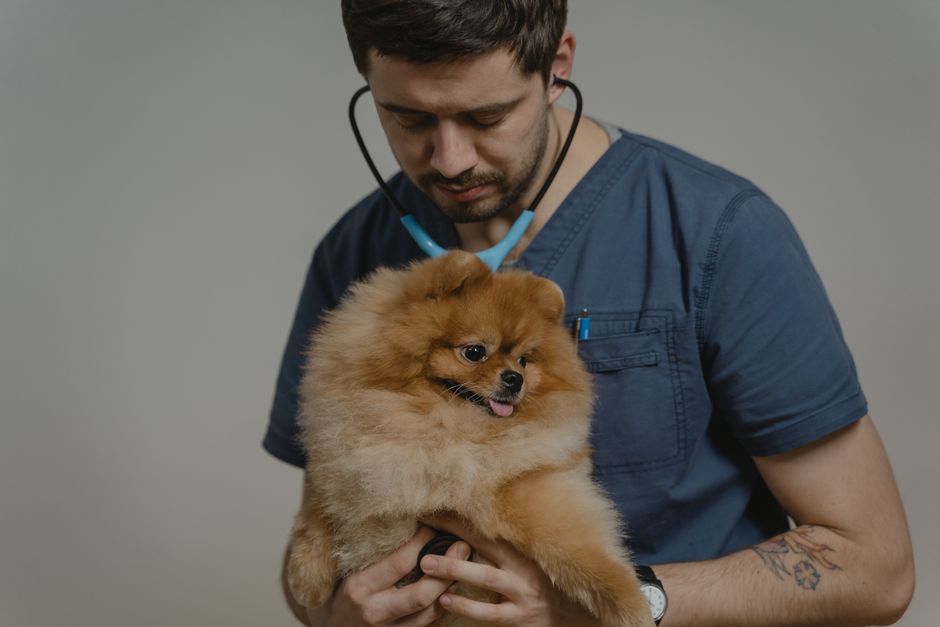
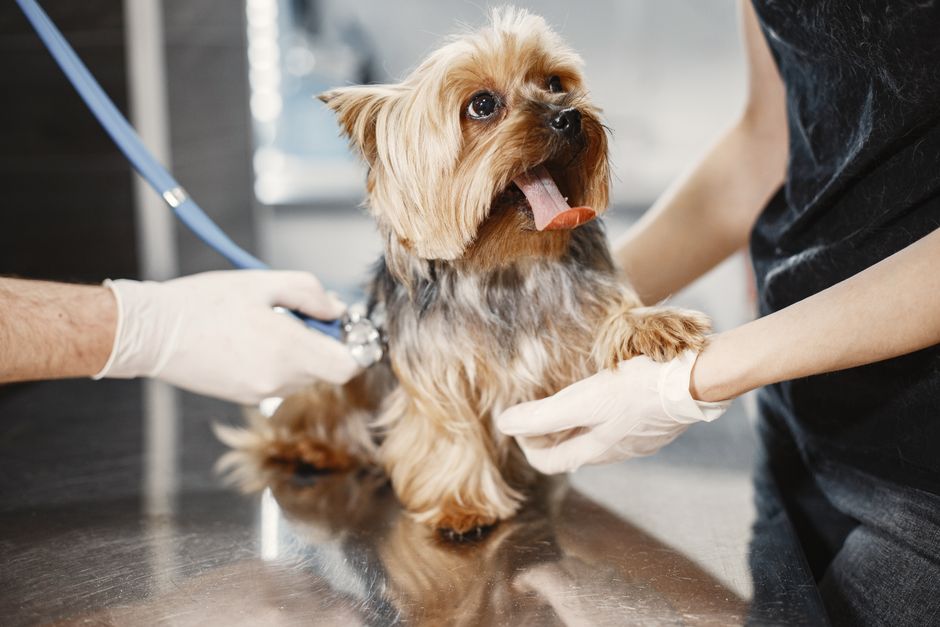
First, schedule a pre-travel wellness visit with your veterinary team. This is the perfect opportunity to discuss your travel plans, address any health concerns, and make sure your pet’s vaccinations, parasite prevention, and health certificates (if needed for air travel) are current. If your pet tends to get anxious or carsick, your veterinarian can recommend safe medications or calming supplements tailored to your pet’s needs. To book this essential checkup, you can request a veterinary appointment before holiday travel with our team.
Packing smart is another crucial step. Essentials for your pet include enough food for the entire trip, bottled water, medications, a familiar blanket or bed, favorite toys, leash and collar with updated ID tags, travel-safe carriers or crates, waste bags, and litter for cats. For car travel, it’s recommended to secure your pet with a seatbelt harness or place them in a well-ventilated carrier to prevent distraction or injury in the event of a sudden stop. Never allow pets to ride unrestrained in the bed of a truck or with their head out the window.
For air travel, confirm airline requirements for pet carriers, health certificates, and breed restrictions. Make sure your carrier is well-ventilated, airline-approved, and large enough for your pet to stand and turn around. Introduce the carrier at home ahead of time to help your pet become comfortable and reduce anxiety on travel day.
If your holiday plans include overnight stays in hotels or with family, check pet policies in advance and bring items that will help your pet feel more at home. Maintaining routines for feeding, exercise, and bathroom breaks can greatly reduce your pet’s stress, even when away from home.
Once you’re on the road or in the air, there are proactive steps you can take to ensure your dog or cat remains healthy and happy. During car travel, plan for frequent stops every two to three hours for bathroom breaks, water, and exercise. Never leave your pet unattended in a vehicle, even for a short period, as temperatures can rise or fall quickly and create dangerous conditions.
Monitor your pet closely for signs of distress such as heavy panting, restlessness, drooling, or vomiting. If your dog or cat seems anxious, offering a favorite toy, soothing words, or gentle petting can help. Some pets benefit from pheromone sprays or calming vests, which may provide extra reassurance.
For air travel, arrive at the airport early to allow plenty of time for check-in and security procedures. Keep your pet’s carrier secure and under your supervision at all times. If your pet is flying in the cabin, check on them frequently, and avoid offering food or water immediately before or during the flight to reduce the risk of nausea.
When you reach your destination, set up a quiet, secure space for your pet to settle in. Use familiar bedding, toys, and feeding dishes to create a sense of normalcy. Continue regular routines as much as possible, and watch for signs of illness or stress, such as changes in appetite, bathroom habits, or energy level.
Travel during the holidays also brings exposure to seasonal hazards like rich holiday foods, decorations, and unfamiliar plants. Review our guide to holiday dangers and seasonal hazards to stay aware of common risks and keep your pet safe throughout the season.
Preparation and preventive care are your best tools for minimizing travel stress and health issues. Begin by accustoming your pet to car rides and their travel carrier well before your departure date. Short practice drives, rewarding calm behavior, and creating positive associations with travel can build your pet’s confidence.
Routine preventive care, such as regular wellness examinations, vaccinations, and parasite prevention, form the foundation of good health for traveling pets. Keeping records handy and ensuring your pet is microchipped with up-to-date contact information add an extra layer of security in case you become separated during your trip. If your pet requires ongoing medication, pack extra doses and bring written instructions in the event you need to visit a veterinarian while away.
At home, maintaining predictable routines for meals, play, and rest helps reduce baseline anxiety, making it easier for your pet to adjust to new surroundings. Some pets may benefit from gentle desensitization exercises, such as spending time in their carrier or listening to travel noises, so that travel day feels less overwhelming.
For more information on maintaining your pet’s health year-round, our preventive health and wellness care page provides comprehensive guidance.
Even with the best preparation, travel can sometimes lead to unexpected health issues. Seek veterinary attention promptly if your dog or cat experiences persistent vomiting or diarrhea, refusal to eat or drink for more than 24 hours, difficulty breathing, excessive drooling or panting, collapse, seizures, or signs of severe anxiety that do not improve with reassurance. Additionally, if your pet sustains an injury, develops a cough, or appears lethargic, a professional evaluation is warranted.
If you are traveling and your pet becomes ill or injured, contact a local veterinarian or animal emergency clinic as soon as possible. Before leaving Lakeland, ask your veterinary team for recommendations on how to locate reputable animal hospitals at your destination. If your pet requires urgent veterinary care while you are still in the area, our urgent veterinary care services are available to address sudden illness or injury.
For after-hours emergencies, consult our after-hours emergency information page to find the care your pet needs when your regular veterinary team is unavailable.
If you ever have questions about what constitutes an emergency or need advice on your pet’s travel readiness, our experienced veterinarians are here to help.
Traveling with your dog or cat during the holidays can be a rewarding experience when you plan ahead, stay vigilant to your pet’s needs, and partner with a veterinary team that truly cares. From recognizing early signs of travel stress to preparing for safe car or air journeys, the veterinarians at Pet Care On Highland are committed to supporting you every step of the way. Whether you’re staying in Lakeland or heading out for the holidays, we encourage you to schedule a pre-travel checkup or reach out with any questions about your pet’s well-being.
If you are searching for a vet near me that offers comprehensive preventive care, urgent medical attention, and guidance for safe travel, our team welcomes you to contact us or visit our practice at 222 W Highland Dr, Lakeland, FL 33813. You can easily request a veterinary appointment before holiday travel or call us at (863) 937-7914 for personalized advice and support.
Wishing you and your pets safe, joyful, and healthy travels this holiday season from all of us at Pet Care On Highland.