Does it seem like your dog is moving more slowly on neighborhood walks, or has your cat stopped leaping up to their favorite window perch? If you live in Lakeland or a nearby community, you may wonder if your pet’s changing habits are just part of aging, or if they might be early signs of arthritis—a common but often overlooked condition in dogs and cats. At Pet Care On Highland, our experienced veterinary team is dedicated to helping companion animals stay active and comfortable throughout their lives. This blog will guide you through the subtle clues that may signal arthritis in your pet, how Florida’s mild fall climate can affect joint health, the steps you can take at home, and when it’s time to schedule a veterinary visit at our Lakeland location.
Whether you are worried about a stiff-legged pup or a cat who seems less playful, understanding arthritis is the first step toward improving your pet’s quality of life. We’ll also share how our full-service clinic can support your companion with diagnostics, pain management, and preventive care. If you are noticing changes in your pet’s mobility, you are not alone—many families in Lakeland and surrounding areas face the same concerns, and early action can make all the difference.
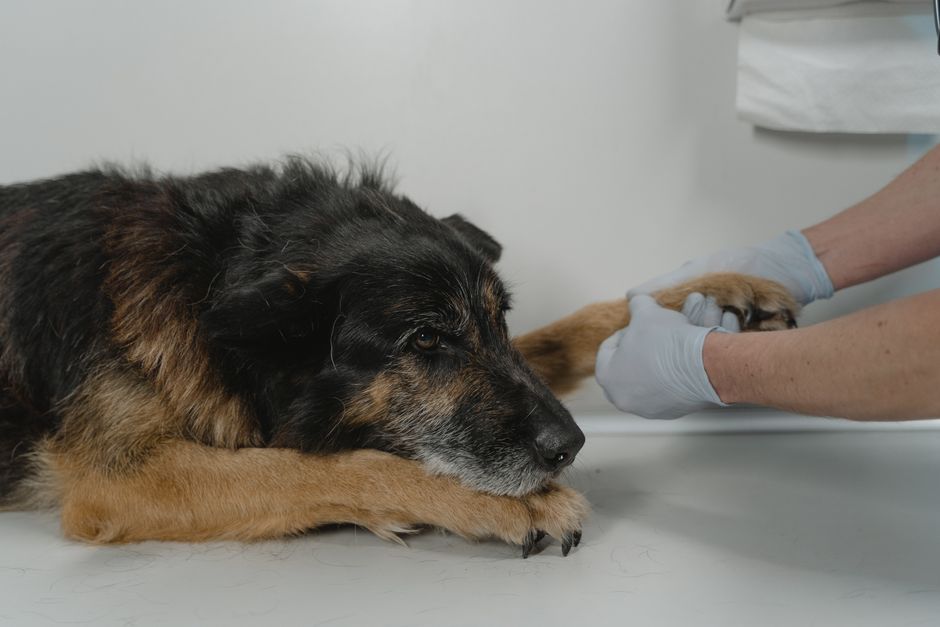
Arthritis can sneak up quietly, especially in its early stages. Unlike the dramatic limping or vocalizing that might accompany an acute injury, the symptoms of arthritis in dogs and cats often appear gradually and can be easy to miss. Key signs include a noticeable decrease in activity, such as reluctance to go for walks, jump onto furniture, or play as energetically as before. Dogs may lag behind on walks or take longer to stand after lying down, while cats might stop jumping up to their usual spots or spend more time sleeping.
Additional warning signs to watch for are subtle limping, stiffness after rest, difficulty climbing stairs, or a change in how your pet grooms themselves. In some cases, you may observe that your dog’s gait looks “off” or that your cat no longer stretches like they used to. Sometimes, pets with arthritis become irritable or withdrawn, as chronic pain can affect their mood. For more detailed information on limping as an early warning sign, you can read about dog limping and joint pain or learn about lethargy in cats, both of which may be linked to mobility issues.
Owners might also notice changes in bathroom habits, as arthritic pets may avoid litter boxes or outdoor trips if these activities are uncomfortable. If you see any of these changes in your dog or cat, it is important not to dismiss them as simply “getting older,” since arthritis can often be managed with the right veterinary care and lifestyle adjustments.
In addition to physical signs, behavioral shifts can provide important clues. Dogs with joint pain may become less interested in activities they once loved, avoid stairs, or show hesitation before jumping into the car. Cats may hide more, avoid interaction, or become grumpy when touched in certain areas. Sometimes, a pet’s appetite may decrease if movement is painful, or you might see changes in their grooming habits—cats, in particular, may struggle to reach their hindquarters.
Understanding these early indicators allows you to seek help for your pet before pain becomes severe. Our veterinary team in Lakeland is trained to recognize and assess these subtle shifts, ensuring that your companion receives care tailored to their unique needs.
Arthritis, also known as degenerative joint disease or osteoarthritis, occurs when the protective cartilage in a joint begins to wear down, causing inflammation and discomfort. While arthritis is most commonly diagnosed in older pets, it can develop at any age due to a variety of factors.
In dogs, common causes include previous injuries, congenital joint abnormalities such as hip or elbow dysplasia, obesity, and normal wear and tear over time. Larger breeds may be more prone to developing joint issues, but arthritis can affect dogs of all sizes. Cats are often skilled at hiding pain, but they are equally susceptible, with excess weight or past injuries increasing their risk.
The mild fall and winter climate in Lakeland, FL, can be deceptive. Although our region avoids the freezing temperatures that might make arthritis symptoms worse elsewhere, changes in humidity and atmospheric pressure can still affect joint comfort. Additionally, pets may be less active during periods of heavy rain or muggy weather, which can lead to increased stiffness or muscle loss over time.
Genetic predisposition can play a significant role in the onset of arthritis, particularly in certain dog breeds. Meanwhile, lifestyle factors such as lack of exercise, poor nutrition, or carrying extra weight can accelerate joint wear in both dogs and cats. Cats who live exclusively indoors may engage in less natural jumping and climbing as they age, while dogs with a history of intense physical activity may show symptoms earlier than their more sedentary counterparts.
Understanding the underlying causes helps our veterinarians develop a personalized treatment plan that addresses both the symptoms and the root factors contributing to your pet’s discomfort.
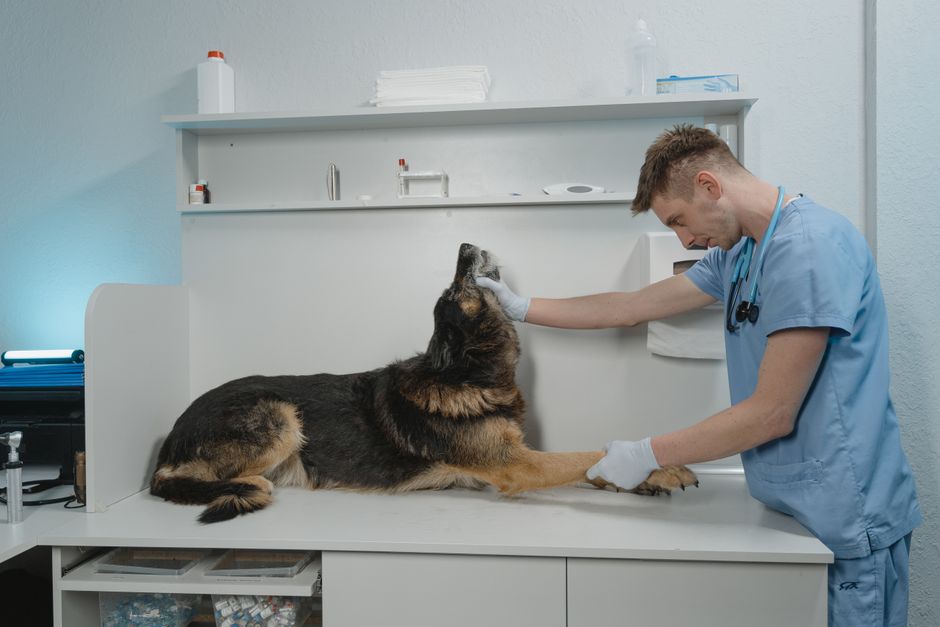
When it comes to managing arthritis in your dog or cat, early intervention is key. At Pet Care On Highland, our approach starts with a thorough evaluation, including a physical examination and, if needed, advanced diagnostics like digital radiology to assess the extent of joint changes. This allows us to tailor a treatment plan to your pet’s unique condition and lifestyle.
Treatment options often involve a combination of pain management, weight control, and physical activity adjustments. Our veterinary pain management services include medications that are safe and effective for long-term use, as well as newer options such as K-Laser therapy, which can help reduce inflammation and support healing. You can learn more about K-Laser therapy for pain and mobility if you are interested in non-invasive alternatives.
In some cases, nutritional supplements containing glucosamine, chondroitin, and omega-3 fatty acids can help support joint health, though these should be recommended and monitored by a veterinary professional. For pets with severe arthritis, surgical options may be considered as a last resort, but most dogs and cats experience significant improvement with a combination of medical management and lifestyle changes.
Managing arthritis does not stop at the clinic door. Simple adjustments at home can make a big difference in your pet’s comfort and mobility. Providing soft, supportive bedding can relieve pressure on sore joints, and keeping nails trimmed helps maintain a stable gait. For dogs, consider using ramps or steps to reduce the need for jumping, and keep walks shorter but more frequent to encourage movement without overexertion.
Cats benefit from easily accessible litter boxes with low sides and placing their favorite perches or beds at lower heights. Regular, gentle play helps maintain muscle mass and joint flexibility, but always watch for signs of fatigue or discomfort.
While not all cases of arthritis can be prevented, there are steps you can take to reduce your pet’s risk and promote long-term joint health. Maintaining a healthy weight is one of the most important factors, as excess pounds put additional stress on joints. Regular exercise tailored to your pet’s age and physical abilities keeps muscles strong and joints flexible.
Annual wellness examinations are crucial for early detection of joint problems and other age-related conditions. During these visits, our veterinarians assess your pet’s mobility, discuss lifestyle and nutrition, and can recommend preventive measures such as joint supplements when appropriate.
Nutrition also plays a key role; feeding a balanced diet that meets your pet’s specific needs supports overall health and reduces inflammation. For older pets or those at higher risk, your veterinarian may suggest a diet formulated for joint health.
Lakeland’s mild winters offer more opportunities for year-round activity compared to colder climates, but hot and humid weather can still limit outdoor play. Adjust your pet’s exercise routine to fit the season, opting for early morning or evening walks in the summer, and taking advantage of dry, cooler days in the fall and winter. For cats, indoor play with interactive toys helps keep them moving when it is too hot outside.
Knowing when to consult a veterinarian is essential to managing arthritis effectively. If you notice persistent limping, reluctance to move, difficulty rising or lying down, or behavioral changes like irritability or hiding, it is time to schedule an appointment. Sudden worsening of symptoms, loss of appetite, or vocalization when moving are signs that your pet may be in significant pain and needs prompt attention.
Our team at Pet Care On Highland offers urgent care and sick visits for pets with sudden or severe mobility concerns, as well as comprehensive evaluations for ongoing arthritis management. We encourage you to reach out even if symptoms seem mild; early intervention can slow the progression of arthritis and improve your pet’s quality of life.
If you ever feel uncertain whether your pet’s symptoms require veterinary attention, do not hesitate to call us for guidance. Our compassionate veterinary professionals are here to help you determine the best next steps and ensure your dog or cat receives the care they deserve.
Recognizing the early signs of arthritis in your dog or cat can be challenging, but you do not have to navigate this journey alone. The veterinary team at Pet Care On Highland is dedicated to keeping your companion comfortable, active, and happy throughout every stage of life. Our modern clinic in Lakeland offers a full spectrum of services—from preventive care and diagnostics to advanced pain management and K-Laser therapy—to address arthritis and other mobility issues in dogs and cats.
If you are searching for a trusted "vet near me" to help your aging pet, we invite you to schedule an appointment with our compassionate team. Whether you notice subtle changes in your pet’s activity or more obvious signs of discomfort, early action can make all the difference in preserving mobility and quality of life. To discuss your concerns or book a visit, call (863) 937-7914 or visit us at our convenient Lakeland location. We are here to partner with you in supporting your pet’s health, from their very first limp to their golden years.
Disclaimer: This blog is intended for informational purposes only and should not replace professional veterinary advice. Always consult your veterinarian if you have concerns about your pet’s health or mobility.