If you have ever watched your dog limp or struggle after a long walk, it is only natural to want to help relieve their discomfort. Many pet owners in Lakeland and surrounding communities wonder, “Can dogs have ibuprofen?” After all, this common pain reliever is a household staple for people. However, what is safe for humans is not always safe for pets. At Pet Care On Highland, located at 222 W Highland Dr, Lakeland, FL 33813, our team of veterinarians prioritizes your pet’s safety and comfort. In this blog, we will explain why ibuprofen poses serious risks for dogs, discuss the warning signs of toxicity, explore safer alternatives for pain management, and offer guidance on what to do if your pet is in pain. We will also share how our pain management services can help keep your pet healthy and happy, while always emphasizing the importance of professional veterinary guidance.
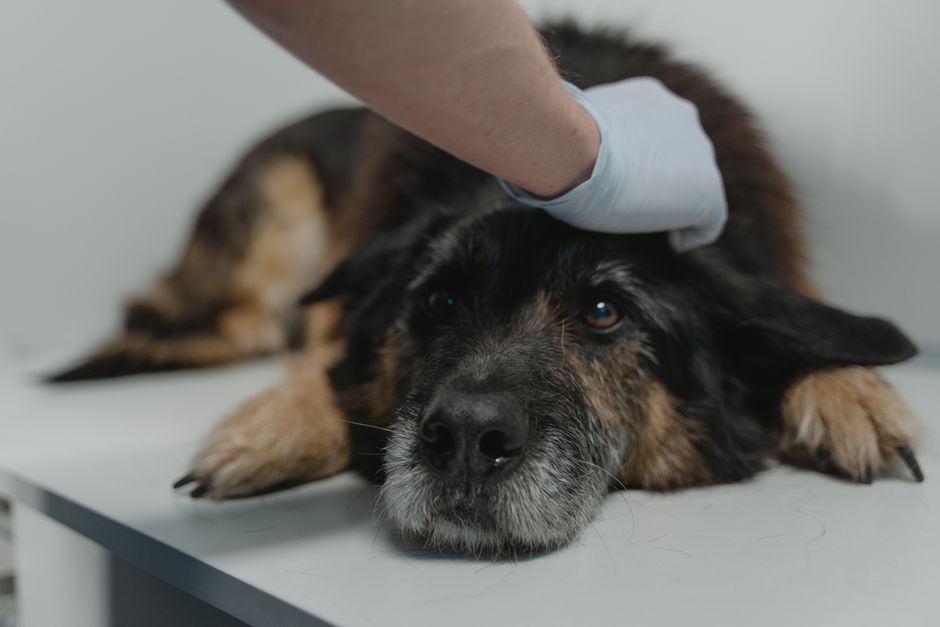
Dogs cannot tell us when they hurt, so it is important to watch for the subtle and not-so-subtle signs of discomfort. Common indicators that your dog might be in pain include limping, stiffness, reduced activity, and reluctance to jump or climb stairs. You may also notice changes in their behavior, such as increased vocalization, restlessness, hiding, or a sudden decrease in appetite. Other signs to be aware of are sensitivity to touch, licking or chewing at a particular area, and changes in posture. If your pet exhibits these symptoms, it is understandable to want to provide immediate relief, but reaching for ibuprofen is never a safe solution.
The answer to the question “Can dogs have ibuprofen?” is a definitive no. Ibuprofen, found in many over-the-counter medications like Advil and Motrin, is highly toxic to dogs. Even a small dose can cause severe health problems, and the effects can progress rapidly. The canine body processes medications differently than humans; dogs are much more sensitive to non-steroidal anti-inflammatory drugs (NSAIDs) like ibuprofen.
Ibuprofen toxicity in dogs can lead to gastrointestinal ulcers, kidney failure, and even neurological issues such as seizures or coma. Unlike medications formulated specifically for pets, ibuprofen does not have a safe dosage range for dogs. The risk of organ damage is high, and emergency intervention is often required. If you suspect your pet has ingested ibuprofen, seek immediate veterinary care without delay.
Ibuprofen toxicity occurs when a dog ingests the medication, either intentionally or accidentally. Dogs may chew through pill bottles, pick up dropped tablets, or be given human medications by well-intentioned owners. The toxicity is due to how ibuprofen interferes with the natural protective mechanisms in a dog’s stomach and kidneys. When these protective layers break down, stomach ulcers and bleeding can occur, and blood flow to the kidneys can decrease, causing acute kidney injury.
Certain factors can increase a dog’s susceptibility to ibuprofen toxicity. Young puppies, senior dogs, and pets with pre-existing health conditions are especially vulnerable to the harmful effects of NSAIDs. Even a single dose can be enough to cause catastrophic damage. For this reason, it is crucial to keep all human medications out of reach of pets and to never administer any medication unless specifically prescribed by your veterinarian.
Ibuprofen poisoning often develops quickly, and the symptoms can be severe. Early warning signs include vomiting, drooling, loss of appetite, abdominal pain, and lethargy. As toxicity progresses, you may observe black or bloody stools, severe weakness, yellowing of the eyes or gums, and an increase or decrease in urination. In advanced cases, seizures, collapse, or coma can occur.
If you notice any of these symptoms or know your pet has ingested ibuprofen, contact your veterinarian immediately. Acting quickly can make a significant difference in your dog’s prognosis and recovery.
When your pet is hurting, there are safe and effective ways to manage their pain without risking their health. Our veterinary professionals at Pet Care On Highland use a variety of options tailored specifically for dogs. Approved pain medications for pets, such as carprofen or meloxicam, are formulated with canine safety in mind and are only available by prescription. These medications are dosed carefully based on your pet’s weight, age, and overall health.
Additional pain management strategies involve laser therapy, physical rehabilitation, and joint supplements. Our pain management, monitoring, and anesthesia services in Lakeland allow us to create a comprehensive plan suited to your dog’s needs. We may also recommend lifestyle modifications, such as weight management, gentle exercise routines, or supportive bedding to ease discomfort.
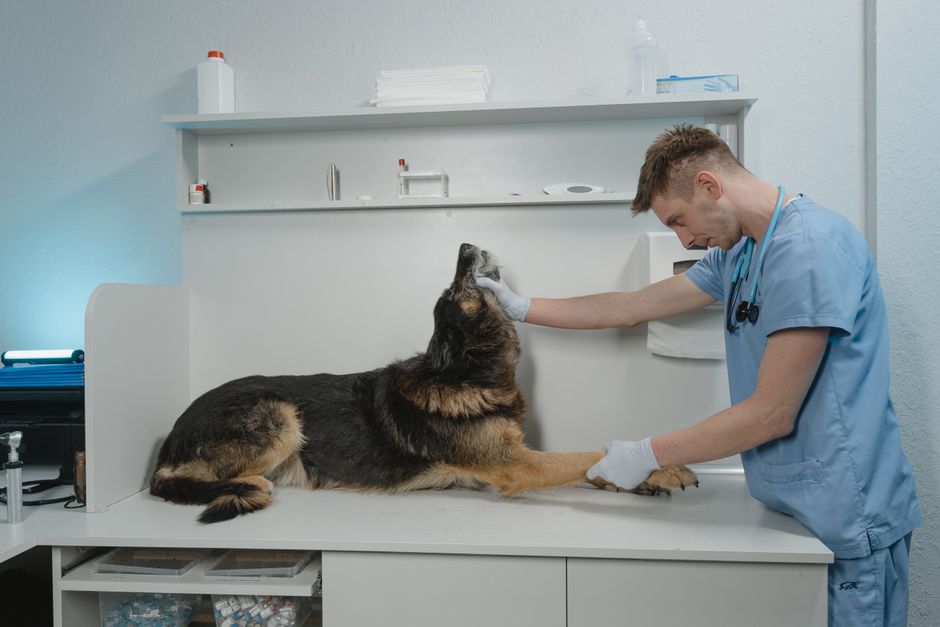
If your dog is showing signs of pain, the safest step is to schedule an appointment with your veterinarian. Our team of veterinarians can perform a thorough examination, recommend diagnostic tests if necessary, and develop a personalized treatment plan. Never administer over-the-counter human medications to your dog without explicit instructions from a veterinary professional.
During your visit to Pet Care On Highland, we will discuss your pet’s medical history, assess their pain level, and outline the safest and most effective pain relief options. Our goal is to help your pet feel better as quickly as possible, while avoiding the risks associated with inappropriate medications.
Preventing accidental ibuprofen ingestion starts with safe medication storage. Keep all medications, including vitamins and supplements, securely out of your pet’s reach. Remind family members and visitors not to leave pill bottles within easy access of curious noses. If you drop a pill, pick it up immediately to prevent your dog from finding it.
For ongoing pain management at home, follow your veterinarian’s recommendations closely. Offer a comfortable, quiet resting area, encourage gentle activity as advised, and monitor your pet’s condition. If you notice any changes or new symptoms, contact your veterinarian promptly. Regular health and wellness visits are essential for early detection and management of health concerns, helping your pet live a happier, healthier life.
Immediate veterinary attention is required if your dog has ingested ibuprofen or displays symptoms of toxicity. Do not wait for symptoms to worsen before seeking help; time is critical in these situations. If your pet is in pain and you are unsure what to do, call your veterinarian for guidance. Our team at Pet Care On Highland is here to support you and your pet through every stage of care.
If you ever face an after-hours emergency, refer to our urgent care and sick visits information or contact your local emergency clinic. Acting quickly can save your pet’s life and prevent long-term complications.
Every dog is unique, and what works for one may not be safe for another. This is why professional veterinary guidance is essential when it comes to pain management. Our experienced veterinarians rely on their medical training and knowledge of your pet’s specific health needs to recommend the right course of action. By choosing safe, veterinarian-approved treatments, you can help your pet recover comfortably and avoid the dangers associated with human medications like ibuprofen.
To sum up, the answer to “Can dogs have ibuprofen?” is always no. Ibuprofen can cause life-threatening complications for dogs, even in small doses. If your pet is in pain, do not risk their health with over-the-counter human medications. Instead, schedule a visit with our compassionate veterinary team at Pet Care On Highland. We are committed to providing safe, effective pain relief and comprehensive care for your pets.
If you are searching for a “vet near me” in Lakeland or need advice on safe pain management, our team is ready to help. Contact us at (863) 937-7914 or visit our Lakeland clinic to schedule an appointment. For more information about our full range of veterinary services, including pain management and health and wellness care, explore our website at petcareonhighland.com. Your pet’s safety and comfort are our top priorities, and we are here to support you every step of the way.
This article is intended for informational purposes only and does not replace professional veterinary advice. If you have concerns about your pet’s health or suspect medication ingestion, please contact your veterinarian immediately.