If you have noticed your pet heading to the water bowl more often than usual, you are not alone. Many dog and cat owners in Lakeland and surrounding communities wonder if increased thirst in pets is just a harmless quirk or a sign that something more serious is going on. At Pet Care On Highland, located at 222 W Highland Dr, Lakeland, FL 33813, our veterinary team understands how concerning this change can be.
In this blog, we will explore the most common reasons for increased water consumption in dogs and cats, what signs suggest it is time to call your veterinarian, and how our comprehensive health and wellness services in Lakeland can help you stay ahead of potential health issues. Whether you are searching for guidance from a "vet near me" or want to make sure your pet gets the best ongoing care, you will find practical advice and expert insight to keep your companion healthy and hydrated.
If you are looking for peace of mind or have questions about increased thirst in pets, our team of veterinarians is here to help. You can always schedule an appointment for a thorough checkup and professional diagnostic evaluation.
Noticing a change in your pet’s drinking habits is often the first clue that something new is happening with their health. Increased thirst in pets, also called polydipsia, can present in a few different ways. You might see your dog emptying their water bowl more quickly than before, or your cat may be visiting the faucet or water dish multiple times a day when they previously showed little interest. Some owners observe that their pet is asking to go outside more frequently, which may be linked to increased urination as a result of drinking more.
Common signs of increased thirst in pets include finishing the water bowl much faster than usual, waking you up at night for water, or seeking out unusual water sources like the toilet or bathtub. In cats, it can be harder to spot, but you might notice wetter litter boxes or even accidental urination outside the box.
If you are unsure whether your pet’s water intake has changed, try measuring how much water you put out each day and observing how quickly it disappears. It can also be helpful to note any changes in appetite, activity level, or weight at the same time, as these symptoms together can help your veterinarian pinpoint the underlying cause.
When a dog or cat starts drinking more than usual, several factors could be at play. Sometimes, the cause is relatively harmless, such as warmer weather in Lakeland prompting your pet to stay hydrated, higher levels of activity, or a diet that is saltier than usual. However, persistent increased thirst in pets may indicate an underlying medical condition that needs attention.
Medical conditions that commonly cause increased thirst in pets include kidney disease, diabetes mellitus, Cushing’s disease (especially in dogs), thyroid disorders (particularly in cats), and urinary tract infections. Liver disease, certain types of cancer, and side effects from medications such as steroids can also contribute. Age can be a factor as well; older pets in Lakeland are more prone to developing chronic diseases that affect thirst and urination.
Additionally, infections, fever, or gastrointestinal upsets can temporarily cause your pet to drink more. In some cases, what seems like increased thirst may actually be increased urination, which can make your pet feel dehydrated and prompt them to seek out more water.
If you are worried that your pet’s increased water intake could be related to an underlying health issue, comprehensive pet diagnostic laboratory services in Lakeland are available to help identify the root cause. Our veterinary professionals use state-of-the-art equipment to run bloodwork, urinalysis, and other tests as needed.
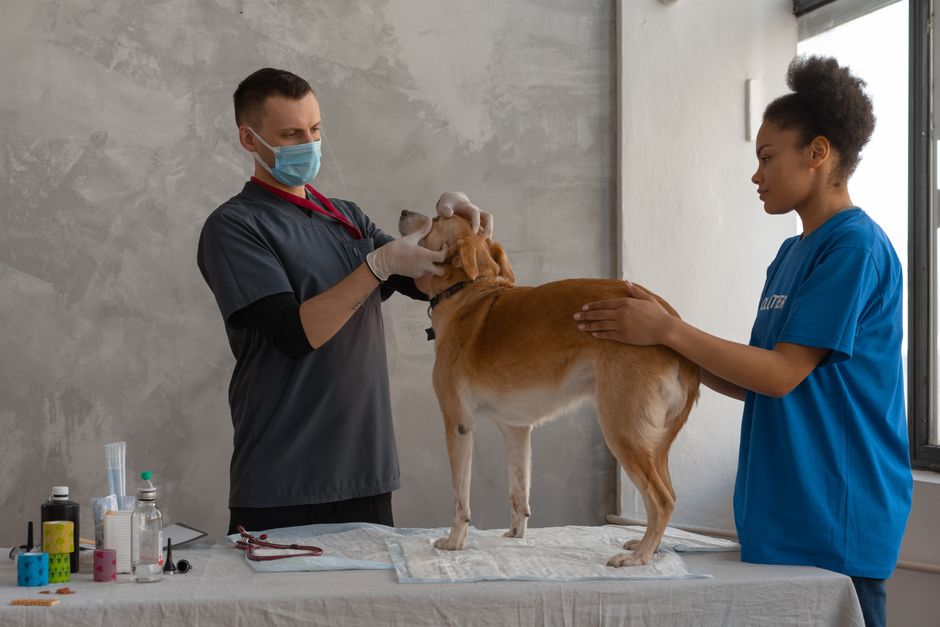
When you bring your pet to Pet Care On Highland with concerns about increased thirst, our veterinarians will start with a detailed health history and a thorough physical examination. We will ask about recent changes in your pet’s routine, diet, and environment, as well as any other symptoms you have observed. If your pet is a senior or has a known history of chronic illness, we may recommend additional screenings.
Diagnostics are an important part of uncovering the cause of increased thirst in pets. Common diagnostic approaches involve running blood tests to assess kidney and liver function, checking blood sugar levels for diabetes, and performing urinalysis to look for signs of infection or other abnormalities. In some cases, our team may also suggest advanced imaging such as veterinary ultrasound services in Lakeland to examine internal organs more closely.
Treatment options will always depend on the underlying cause. If an infection is found, appropriate antibiotics may be prescribed. For chronic conditions like diabetes, your pet may need medication, dietary changes, and ongoing monitoring. Kidney disease and other organ-related problems may require special diets, fluid therapy, and regular checkups to keep your pet comfortable. Throughout the process, our veterinarians will work closely with you to create a management plan tailored to your pet’s needs.
While not every case of increased thirst in pets is preventable, there are practical steps you can take to monitor your pet’s hydration and support their overall health. Providing fresh, clean water at all times is essential, especially in the warm and humid Lakeland climate where pets can become dehydrated quickly.
Regular wellness checkups are key for early detection of problems. By scheduling routine health and wellness services in Lakeland, you give your veterinarian the opportunity to catch subtle changes before they become serious. At home, keep a log of your pet’s water intake, appetite, and urination habits if you notice any changes. If your pet is on medication, ask your veterinarian whether increased thirst is a known side effect.
A healthy diet, weight management, and keeping your pet’s environment stress-free can also play a significant role in their well-being. If you are ever unsure whether your pet’s thirst is normal, do not hesitate to reach out to your veterinarian for advice.
It can be difficult to know when increased thirst in pets moves from a minor concern to something that needs urgent attention. As a general rule, if your pet’s thirst is accompanied by other symptoms such as vomiting, diarrhea, loss of appetite, lethargy, sudden weight loss or gain, or changes in behavior, it is time to call your veterinarian. Similarly, if your cat is urinating outside the litter box, or your dog is having accidents indoors, these are signs your pet may be struggling with more than just a passing quirk.
Persistent increased thirst lasting more than a few days, especially in older pets or those with known health conditions, should always be evaluated by a veterinary professional. Early diagnosis can make a significant difference in the outcome for conditions like diabetes, kidney disease, and infections.
If you are searching for "quality vet near me" because you are concerned about your pet’s water intake, Pet Care On Highland is here to help. Our experienced team of veterinarians provides urgent care and sick visit services in Lakeland to address health changes quickly and compassionately.
Your pet’s health and happiness are always our top priorities at Pet Care On Highland. If you have noticed increased thirst in your pet or any other change that worries you, do not wait to reach out for expert help. With comprehensive health and wellness services in Lakeland, advanced diagnostics, and a caring approach, our veterinary team is ready to support you every step of the way.
To schedule an appointment for your pet, call us at (863) 937-7914 or visit our convenient location at 222 W Highland Dr, Lakeland, FL 33813. Whether you are searching for the best veterinarian near me or need guidance about your pet’s changing habits, we are committed to providing the veterinary services in Lakeland you and your pet deserve.
If you are ready to take the next step in your pet’s care, request an appointment with our Lakeland veterinary team today. Together, we can ensure your pet enjoys a long, healthy, and well-hydrated life.
This blog is intended for informational purposes only and should not replace professional veterinary advice. If you have concerns about your pet’s health, please consult your veterinarian promptly.