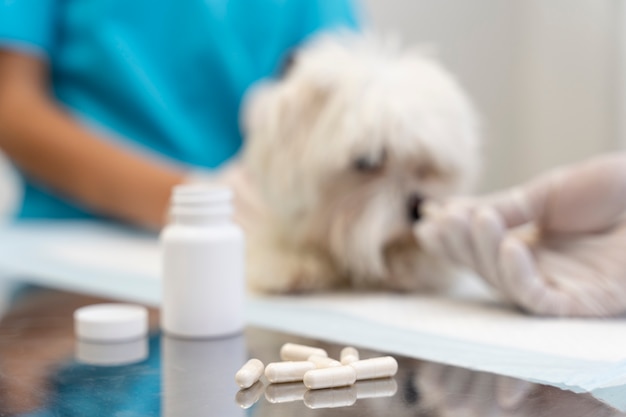
If your beloved dog is limping, whining, or showing signs of pain, it is only natural to want to help them feel better as quickly as possible. Many pet owners in Lakeland and surrounding communities reach for common over-the-counter pain relievers like ibuprofen, not realizing that what is safe for people can be extremely dangerous for dogs. At Pet Care On Highland, our experienced veterinary team has seen firsthand the risks that come with accidental or well-intentioned use of dog ibuprofen, and we are committed to helping pet owners understand why this medication should never be given to pets without veterinary guidance. In this article, we will explain why ibuprofen is unsafe for dogs, describe the symptoms of toxicity, discuss safer alternatives for managing pain, and guide you on what steps to take if your pet is accidentally exposed. If you are searching for reliable pet health advice from a trusted veterinary clinic here in Lakeland, FL, you are in the right place. For more information on pain management for pets, our veterinary professionals are always available to help you find safe solutions for your dog's comfort.
Many people are surprised to learn that medications like ibuprofen, which are staples in most home medicine cabinets, can pose life-threatening risks to dogs. Ibuprofen is a non-steroidal anti-inflammatory drug (NSAID) commonly used by humans to manage pain, inflammation, and fever. However, dogs process medications differently from people; compounds that are harmless to us can quickly become toxic to our pets. The danger often arises when a dog accidentally ingests a dropped pill, chews through a medication bottle, or when a well-meaning owner gives ibuprofen to their dog without realizing the potential for harm. Even a single dose can cause severe gastrointestinal upset, kidney failure, and other serious complications.
Early recognition of ibuprofen toxicity is critical. Symptoms include vomiting, which may be accompanied by blood, loss of appetite, and severe abdominal pain. Additionally, dogs may develop diarrhea, lethargy, or weakness. Other signs are ulcers in the mouth, pale gums, and signs of dehydration such as sunken eyes or dry gums. In more advanced cases, you may notice increased thirst and urination, incoordination, or even seizures. If you observe any of these symptoms after your pet has potentially been exposed to ibuprofen, immediate veterinary attention is essential.
To fully appreciate why dog ibuprofen should always be avoided, it helps to understand how this medication affects a dog's body. Ibuprofen works by blocking enzymes known as cyclooxygenases, which are involved in producing substances that protect the stomach lining and maintain blood flow to the kidneys. In humans, this action provides pain relief and reduces inflammation. In dogs, however, the same mechanisms can have devastating consequences.
When a dog ingests ibuprofen, even in small amounts, the medication can quickly erode the protective lining of the stomach and intestines. This leads to ulcer formation and internal bleeding. Additionally, ibuprofen significantly reduces blood flow to the kidneys, which can cause acute kidney injury or complete kidney failure. The toxic threshold for dogs varies depending on size and underlying health, but toxic effects can occur with as little as one or two tablets.
Certain factors can increase a dog's susceptibility to ibuprofen toxicity. Puppies, senior dogs, and those with pre-existing kidney or liver disease are particularly at risk. Dogs that are already on other medications may also have an increased risk due to drug interactions that further stress vital organs. The size of your dog matters as well; smaller breeds can experience severe poisoning from even a tiny amount.
If you suspect your dog has ingested ibuprofen, time is of the essence. Do not attempt to induce vomiting or administer any home remedies without first consulting your veterinarian, as these actions can sometimes worsen the situation. Instead, contact your veterinary team at Pet Care On Highland or your nearest animal emergency clinic right away.
Upon arrival, your veterinarian will assess your pet’s symptoms and may recommend immediate steps such as inducing vomiting (if the ingestion was recent and your dog is stable), administering activated charcoal to limit further absorption, and starting intravenous fluids to support kidney function. Additional treatment approaches involve medications to protect the stomach lining, anti-nausea drugs, and intensive monitoring of kidney and liver values. In severe cases, hospitalization and advanced therapies may be necessary. The prognosis depends on the amount ingested, the time elapsed, and how quickly treatment is initiated.
If your dog is experiencing pain for any reason, always consult with your veterinarian before giving any medications. Our team offers comprehensive pain management and monitoring services tailored to your pet’s unique needs, using the safest medications and techniques available.
Although it is tempting to reach for human medications when your dog is hurting, there are far safer and more effective options available through your veterinarian. Veterinary professionals have access to approved canine pain relievers that are specifically formulated for your pet’s unique physiology. These medications are prescribed based on your dog’s size, health status, and underlying condition, which greatly reduces the risk of side effects.
Pain relief for dogs may involve veterinary NSAIDs that are tested and approved for canine use, such as carprofen or meloxicam, as well as other pain management options like physical therapy, laser therapy, joint supplements, and carefully monitored prescription medications. For chronic conditions like arthritis, your veterinarian may recommend a combination approach that includes weight management, controlled exercise, and alternative therapies. You can read more about our approach to pain management and monitoring on our website.
It is important to note that over-the-counter medications for humans, including acetaminophen and aspirin, can also be unsafe for pets; never administer any medication to your dog unless directed by a veterinarian.
Prevention is always the best medicine when it comes to toxic substances like ibuprofen. Key steps to safeguarding your dog include keeping all medications—both prescription and over-the-counter—in secure cabinets or drawers that are out of reach from curious pets. Additionally, always check the floor for dropped pills and avoid leaving purses or bags containing medications where your dog can access them. If you have children in the home, remind them never to share their medications with pets. When guests visit, ask them to keep their belongings safely stored away from your dog’s inquisitive nose.
If your dog has a chronic health condition that requires ongoing pain management, schedule regular wellness exams with your veterinarian. These visits help ensure that your pet’s medications remain appropriate and that any changes in their health status are addressed promptly.
Immediate veterinary care is crucial if you suspect your dog has ingested ibuprofen, even if no symptoms are present yet. The sooner your veterinarian can intervene, the better your pet’s chances of making a full recovery. Do not wait for symptoms to develop; by the time vomiting, lethargy, or kidney troubles become apparent, significant damage may have already occurred.
If you are ever unsure whether a medication is safe for your dog, call your veterinarian before giving anything at home. For pets in Lakeland and surrounding communities, the veterinary team at Pet Care On Highland provides prompt, compassionate care for urgent situations and everyday health needs.
Your dog’s safety and comfort are always our top priority at Pet Care On Highland. We understand how distressing it can be to see your pet in pain and the urge to provide relief as quickly as possible. However, human medications like ibuprofen can do far more harm than good in dogs and should never be given without veterinary supervision. If you suspect your pet has been exposed to dog ibuprofen, or if you need help managing their pain safely, our team is here to guide you every step of the way.
For pet owners searching for a trusted "vet near me" in Lakeland, FL, Pet Care On Highland offers comprehensive services, including urgent care for sick pets, regular wellness exams, and advanced pain management options tailored to your dog's needs. Schedule an appointment with our compassionate veterinary professionals today by calling (863) 937-7914 or visiting our clinic at 222 W Highland Dr, Lakeland, FL 33813. Your pet’s health and happiness are in caring, capable hands.
Disclaimer: This article is intended for informational purposes only and does not replace professional veterinary advice. Always consult your veterinarian for guidance specific to your pet’s health and medications. For more information on toxic substances for pets, visit the ASPCA Animal Poison Control Center at https://www.aspca.org/pet-care/animal-poison-control.